Window Signs & Graphics In San Diego
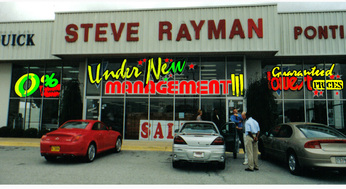
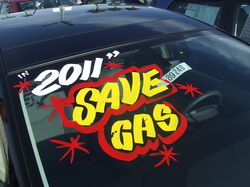
Auto Dealer Car Window Painting Click Here
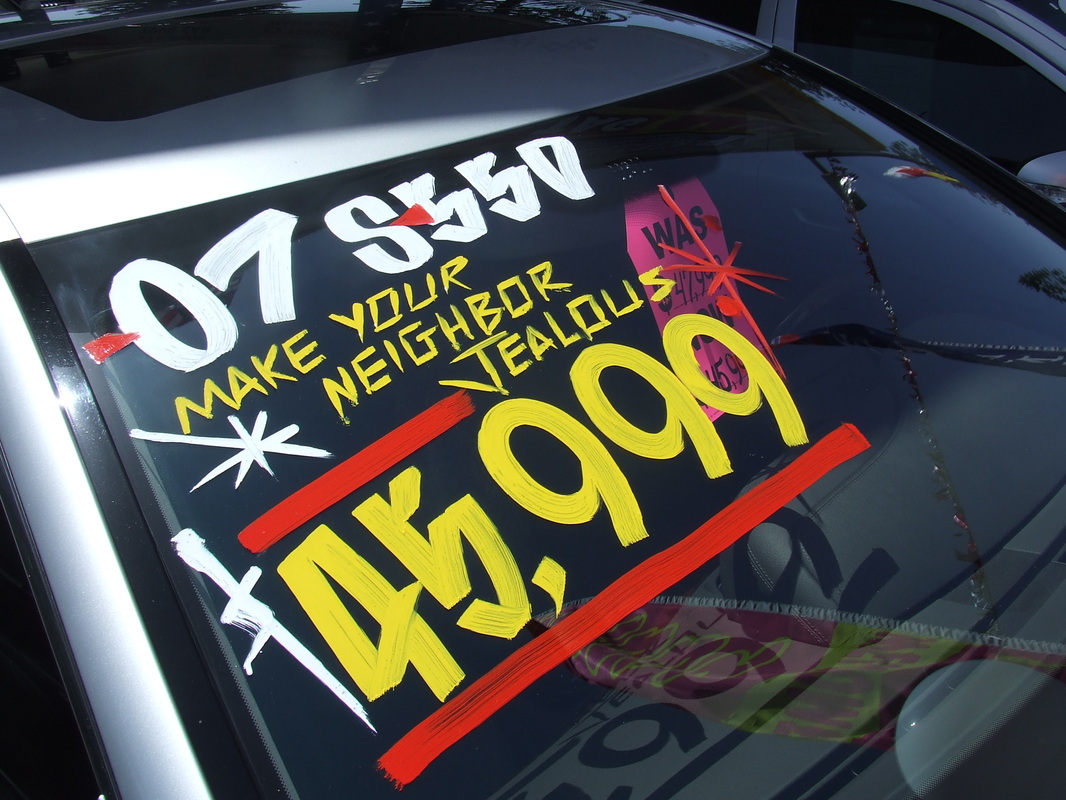
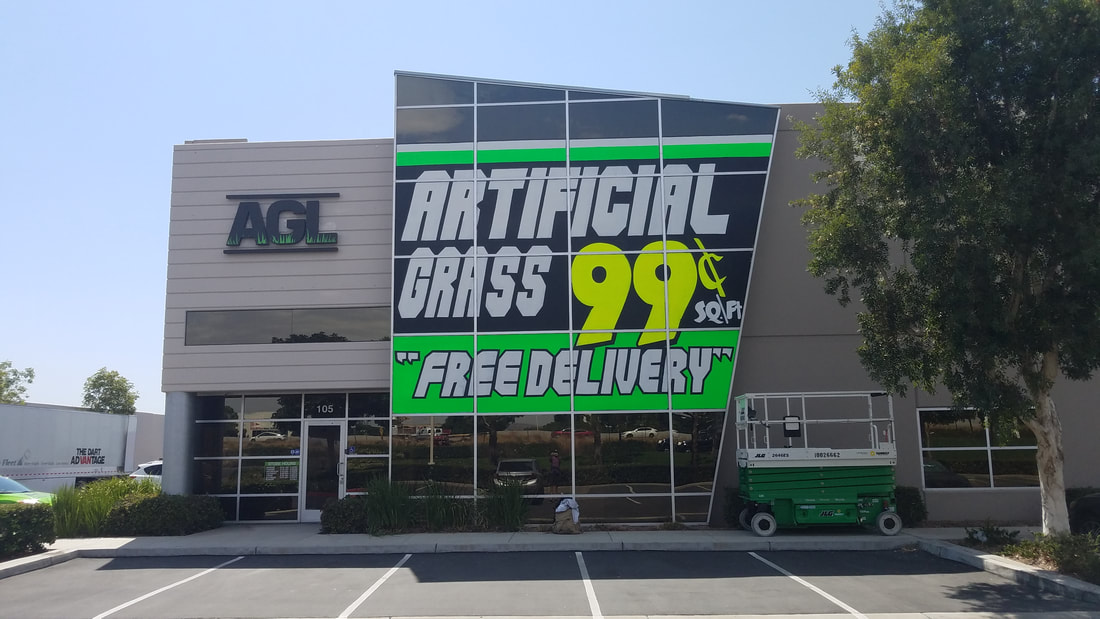
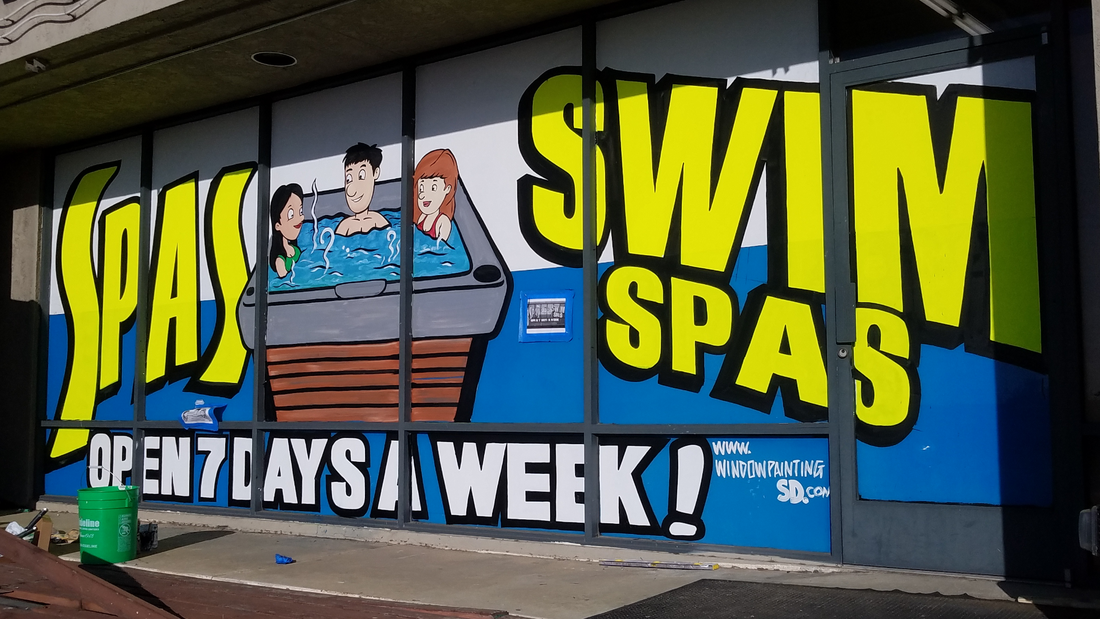
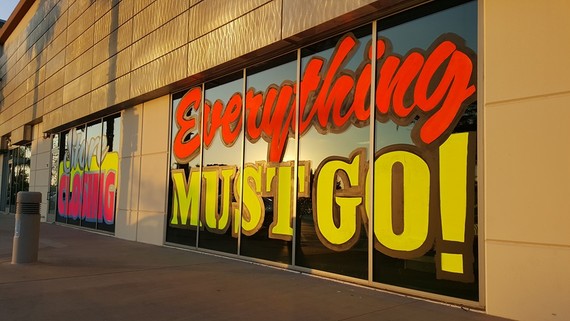
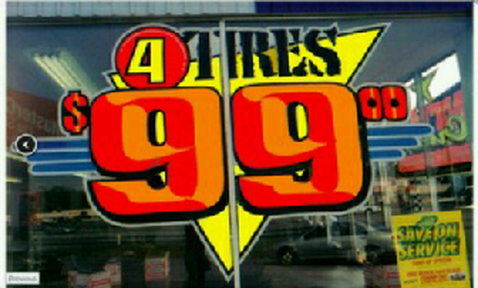
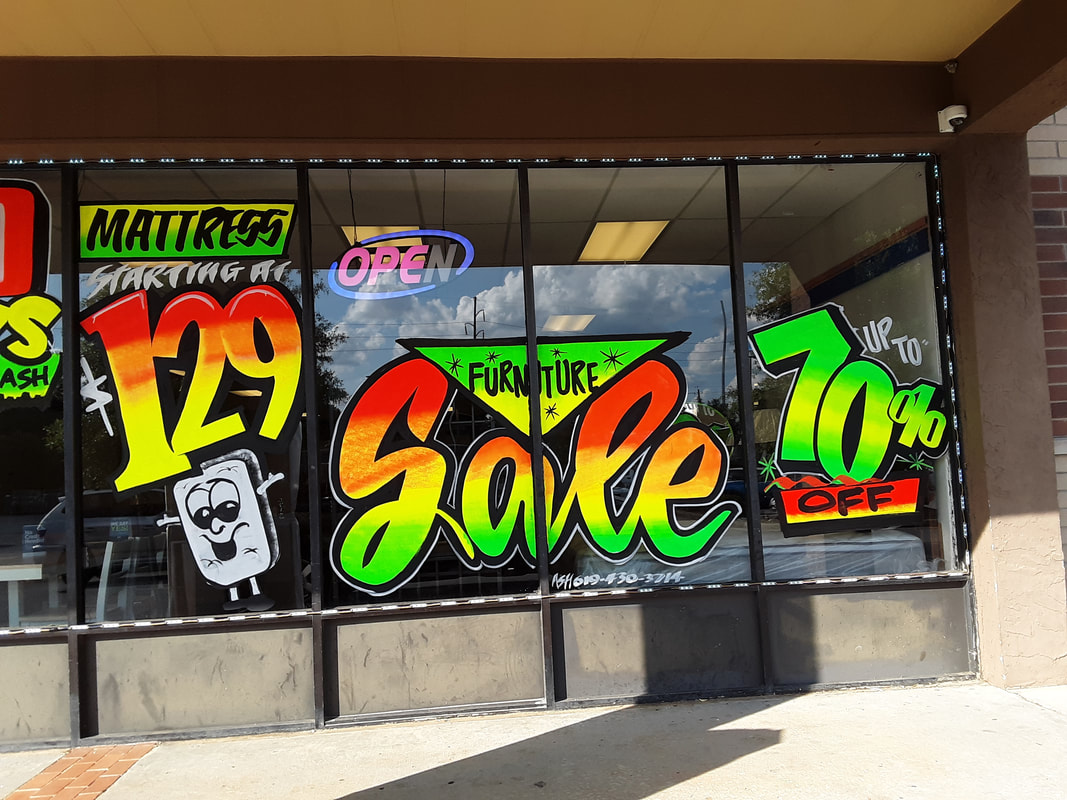
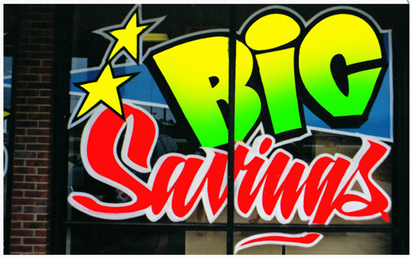
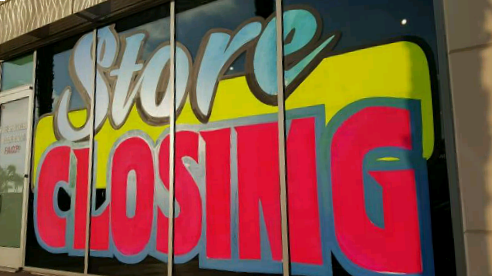
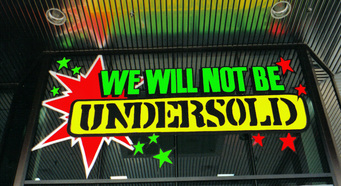
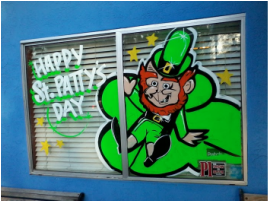
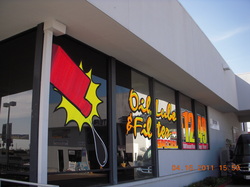
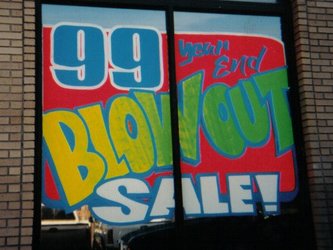
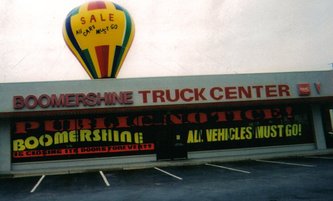
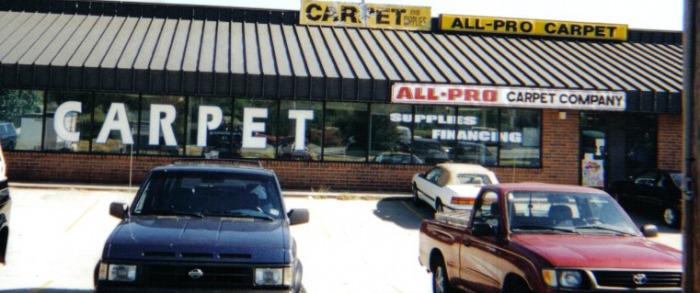
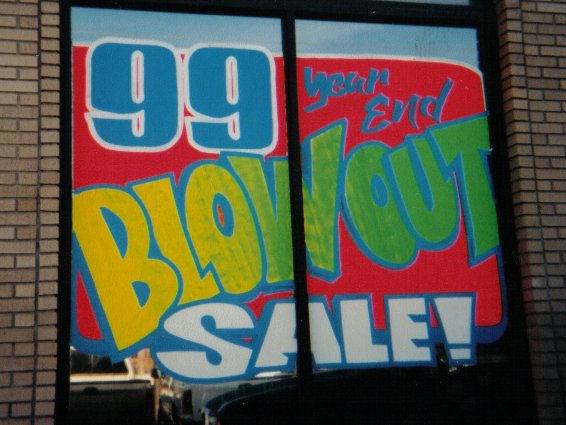
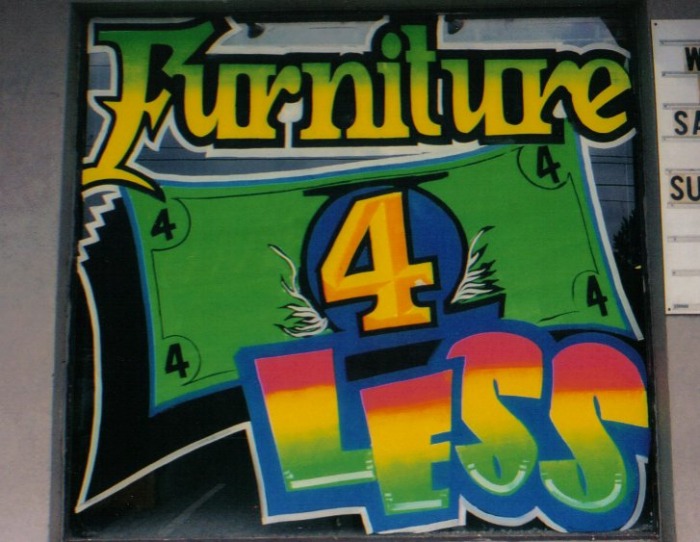
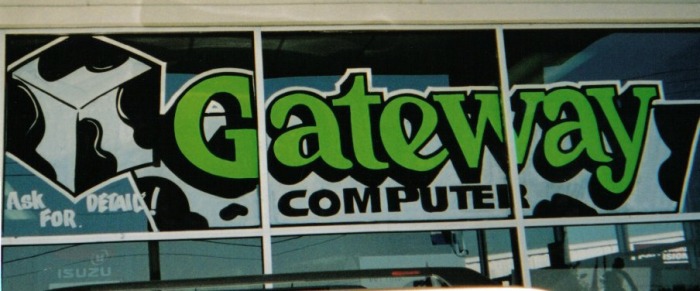
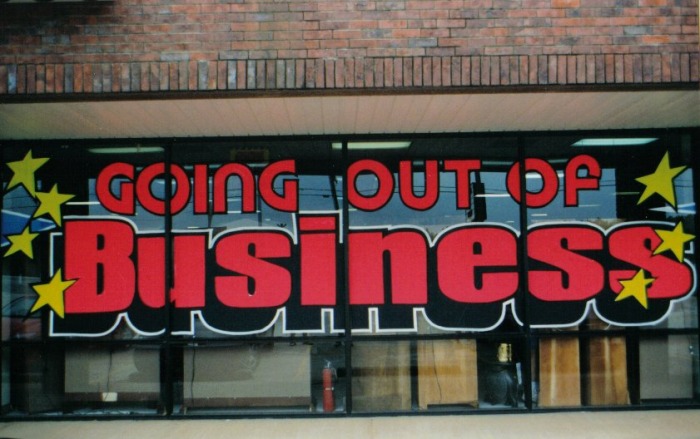
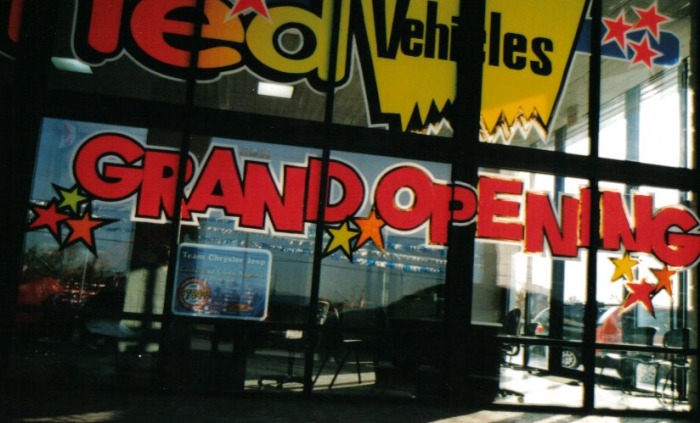
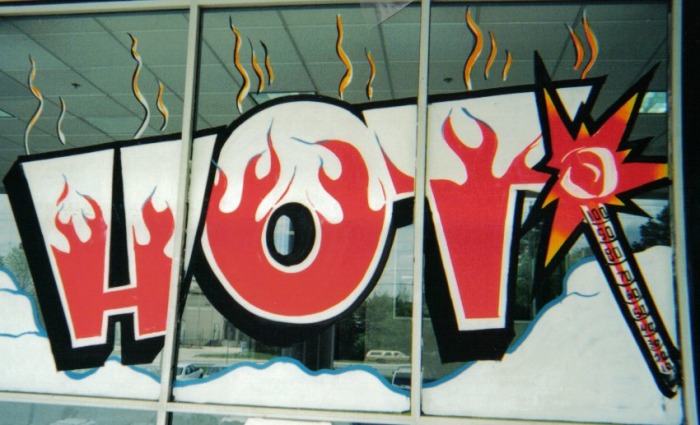
Window GRAPHICS and window splash advertising in San Diego, California. FINALLY!!! Local Artist: Ashley Bussey
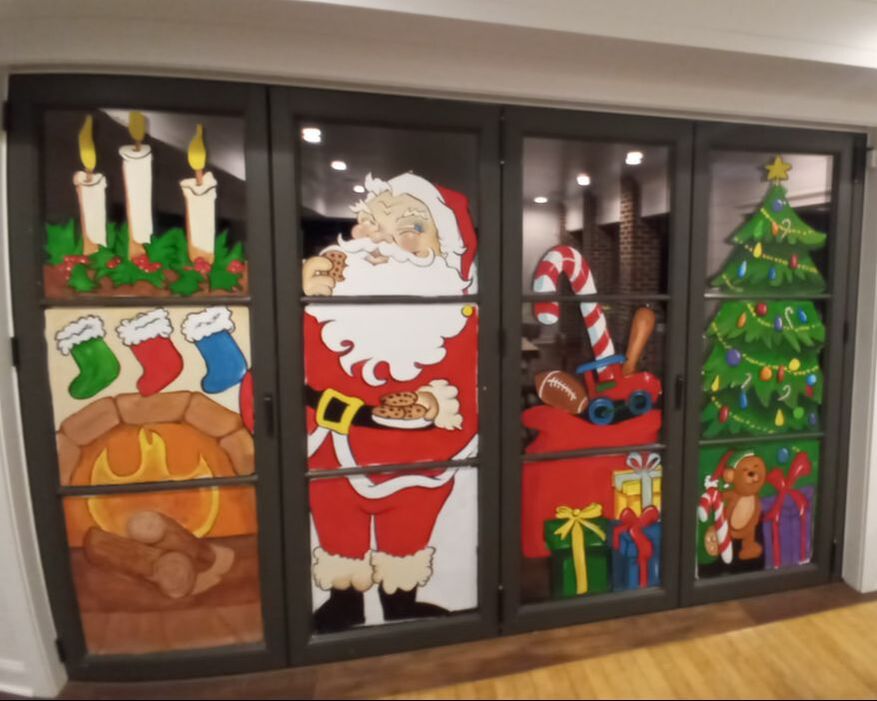
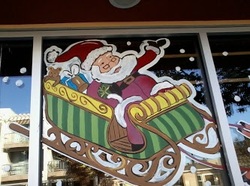
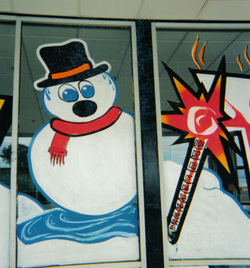
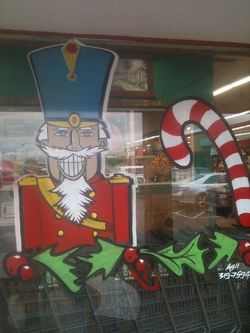
If your looking for holiday window painting
.
Give me a call 619-319-7594 to schedule holiday painting. Or click here to fill out a form that will automatically respond to me. Thanks so much !!! Happy Holidays and look forward to speaking with you.
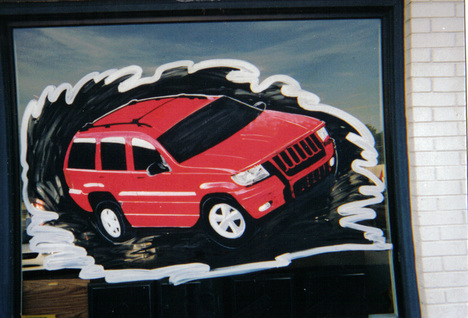
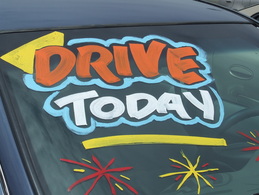
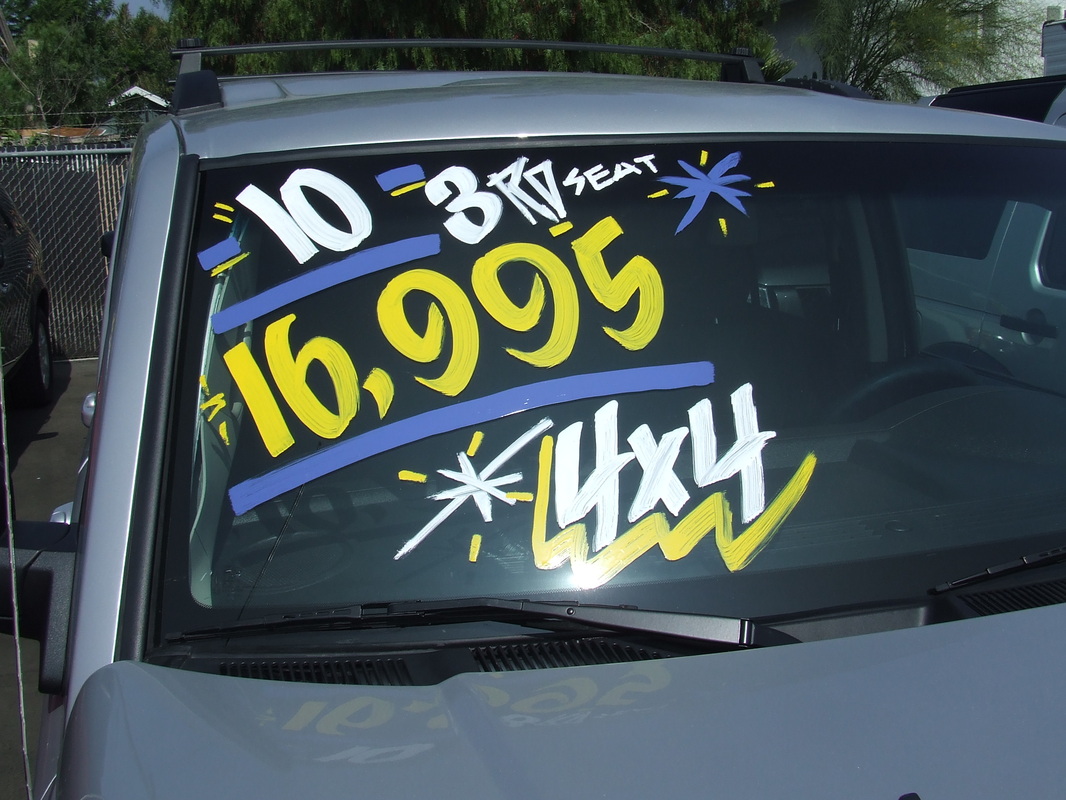
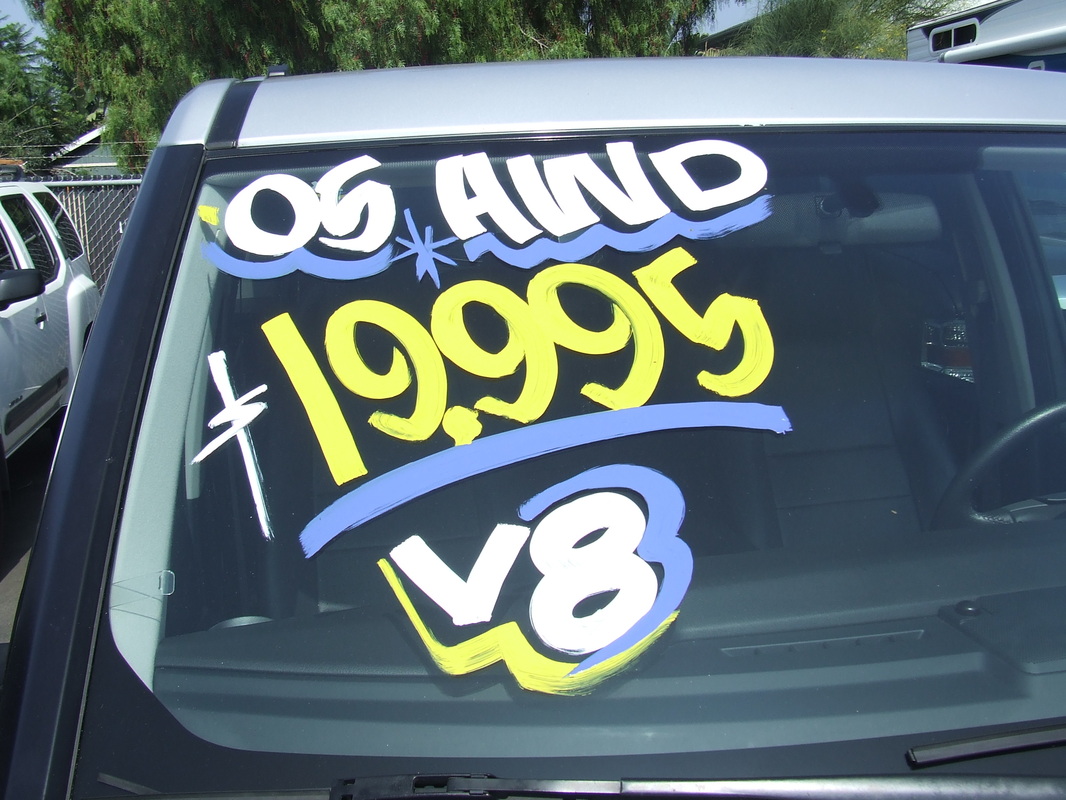
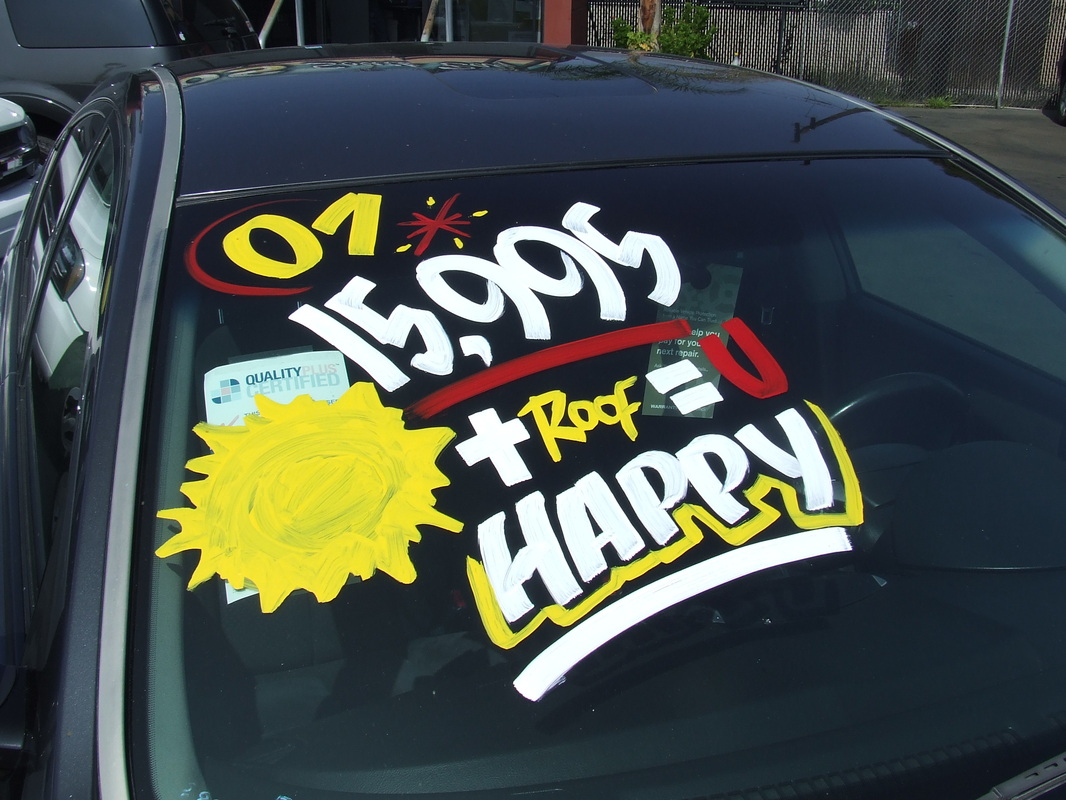
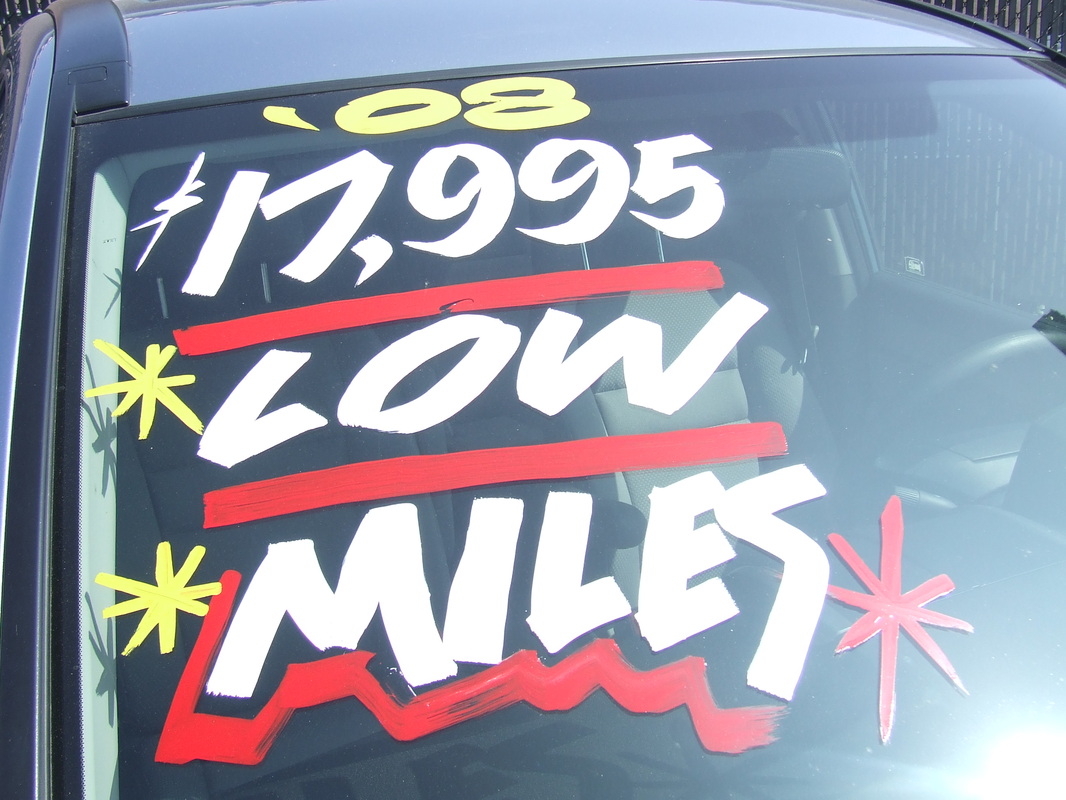
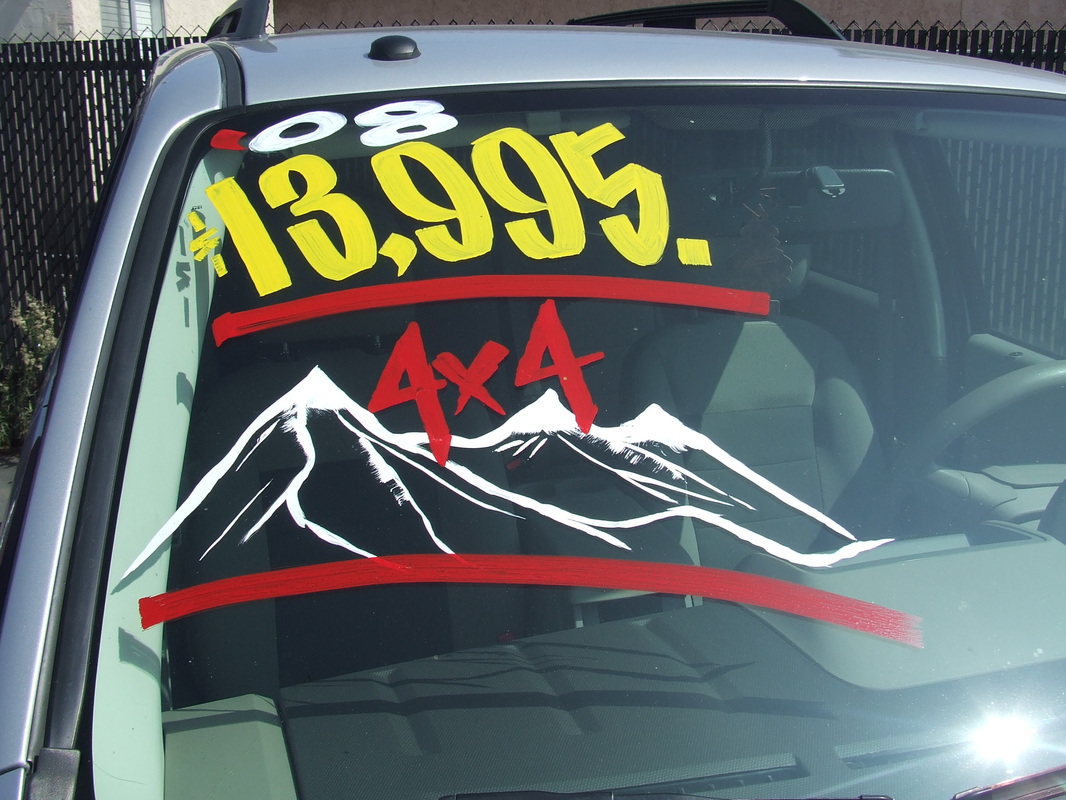
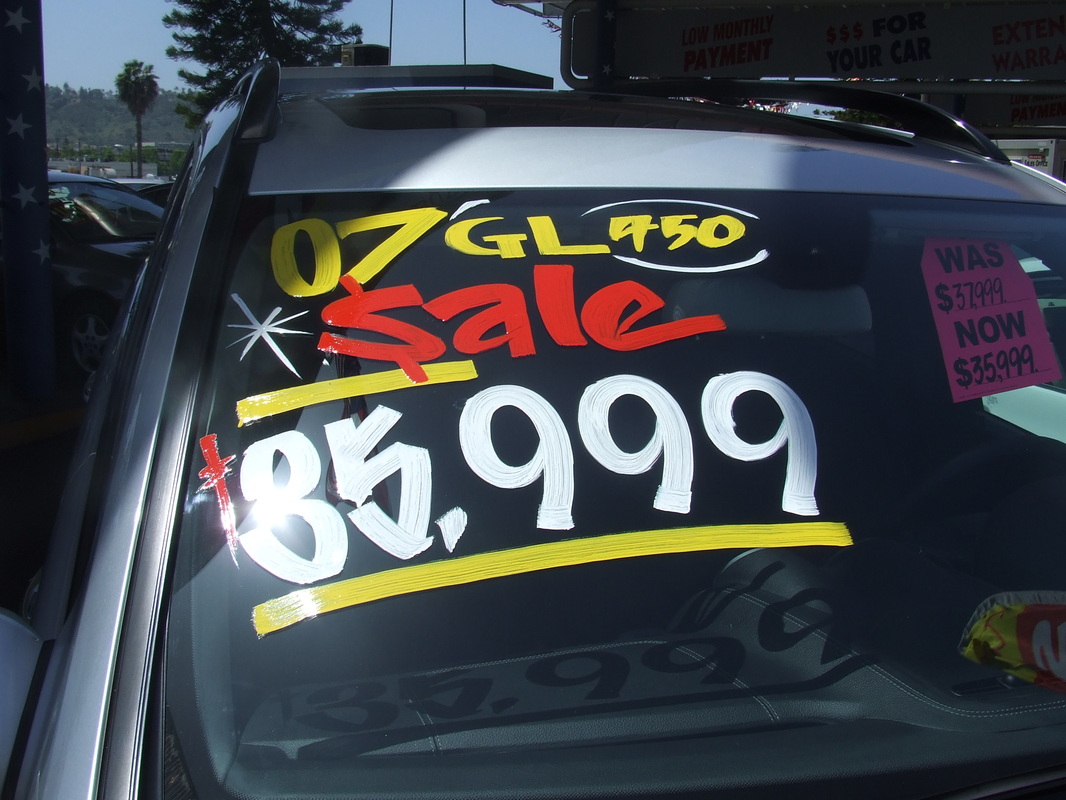
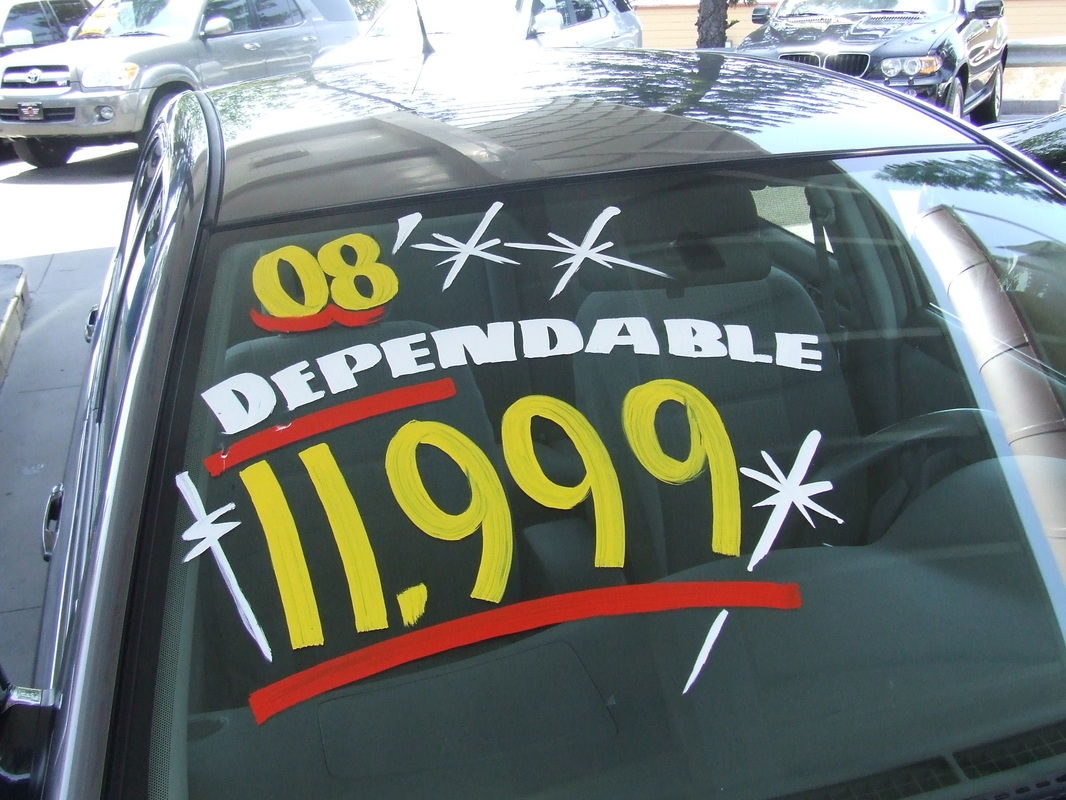
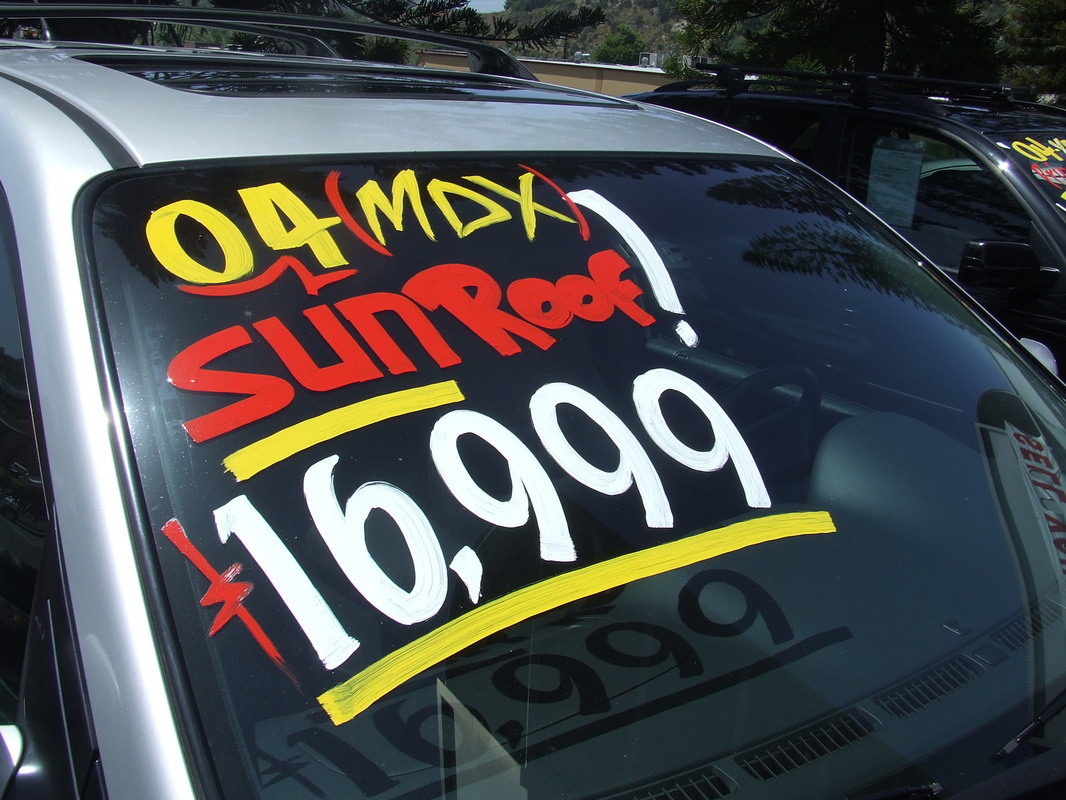
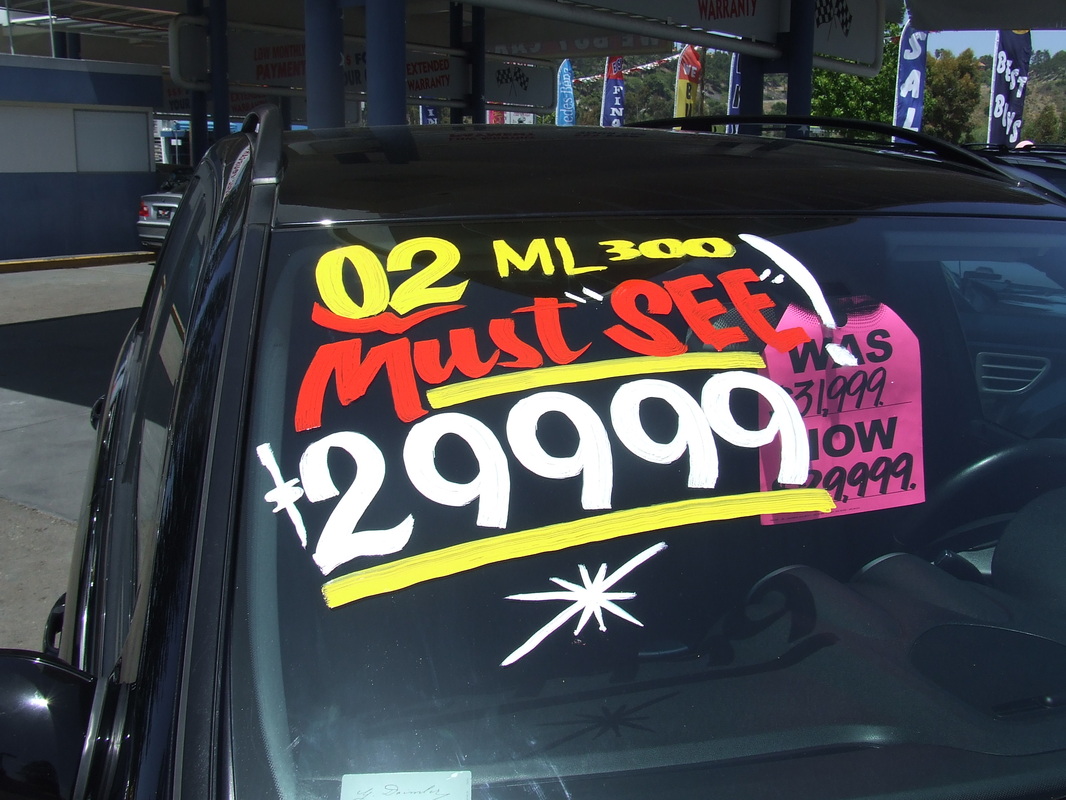
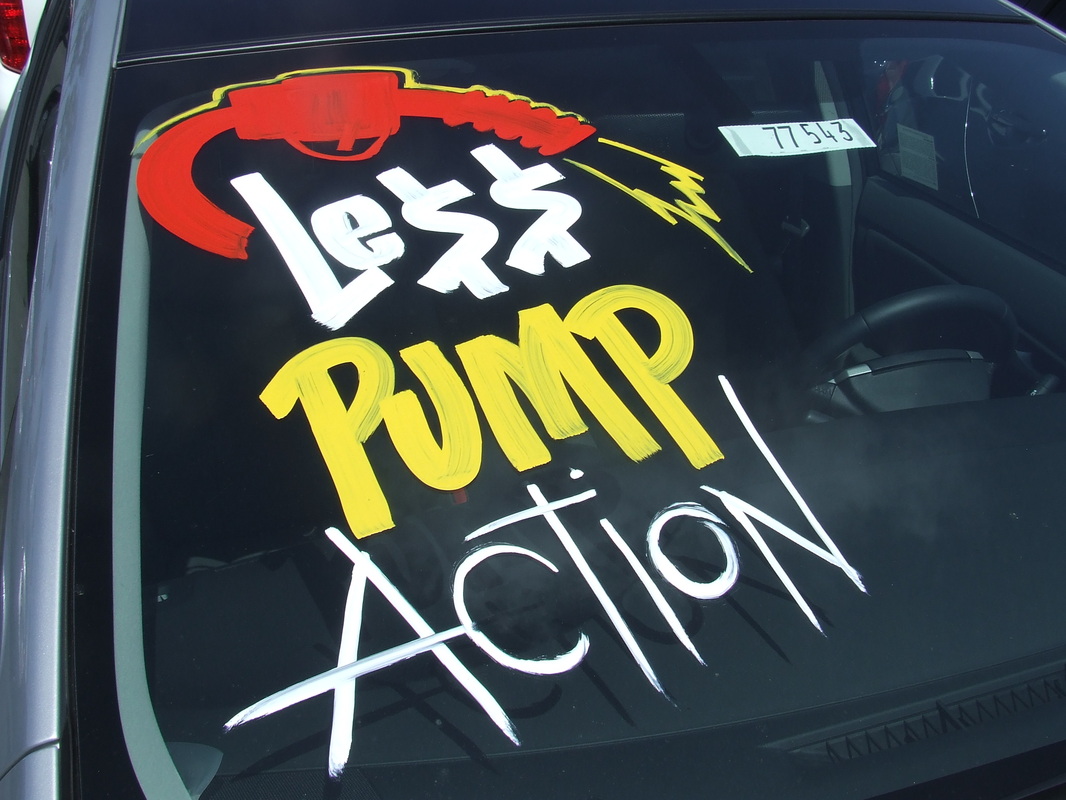
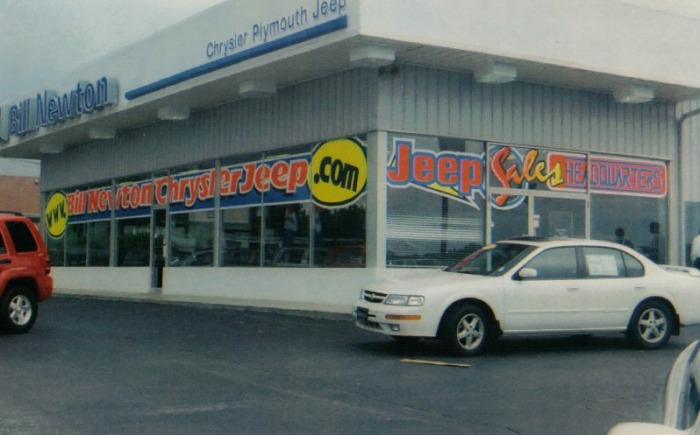
Windshield Painting
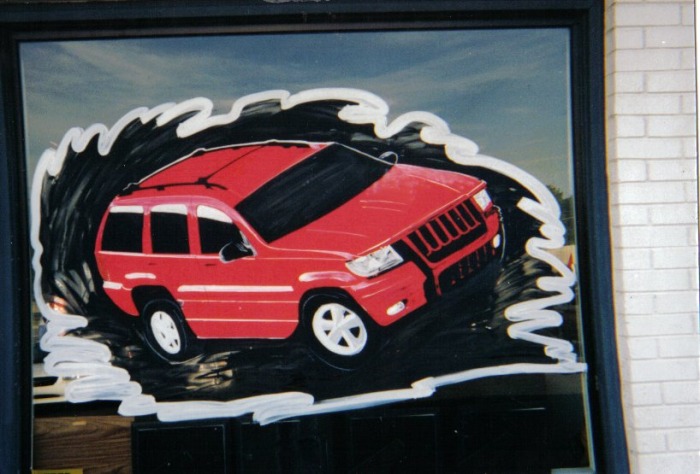
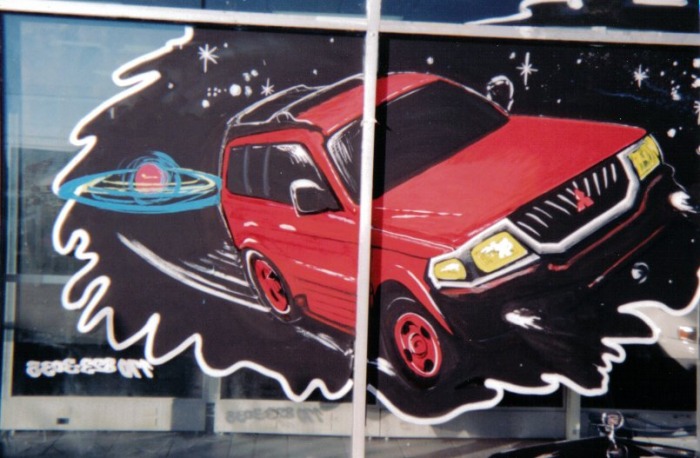
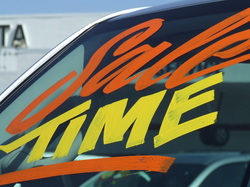
Windshield painting get's results, because it's affordable and sells cars. The bright colors attract the attention that your lot needs.
Is your car lot dull and boring?
.
Give me a call 619-319-7594 to schedule holiday painting. Or click here to fill out a form that will automatically respond to me. Thanks so much !!! Happy Holidays and look forward to speaking with you.
Windshield Painting
Windshield painting get's results, because it's affordable and sells cars. The bright colors attract the attention that your lot needs.
Is your car lot dull and boring?
Schedule Christmas Painting 2011
Or wild and exciting ?
As a salesperson, you know that excitement sells, and windshield painting brings that exciting feeling.
Auto Dealer Car Windshield Painting
Wall Signs & Artwork
Any wall surface, any where in San Diego! Stop worrying if the vinyl will stick, and be certain with wall paint.
Top Ten Questions About Holiday Window Painting
San Diego Artist Creating Affordable Window graphics for your business. Add a Splash of Advertising Color.
Have you ever thought of what your store might look like if you had art on the windows?
If your store had a beautiful showroom painting, would commuters look at it?
Would it mean more customers looking at your store? Of course it would !
That's a big fat YES YES YES !!! Top Ten
So if customers are looking at your store, doesn't that mean they are thinking of your store? YES!!! and that's how we engage them. That is where the message is so very important when we paint a window sign. Your future customers are driving by at speeds that, well you know, are often time too fast, so we need to come up with a message that is very easy to read. It's best if the window advertising be an offer that can be up sold. This has worked very good in the past and i know it will work great for you. If you own a retail store located anywhere in the metro San Diego area, we can come out and take care of the job in a very professional manner.
Have you ever thought of what your store might look like if you had art on the windows?
If your store had a beautiful showroom painting, would commuters look at it?
Would it mean more customers looking at your store? Of course it would !
That's a big fat YES YES YES !!! Top Ten
So if customers are looking at your store, doesn't that mean they are thinking of your store? YES!!! and that's how we engage them. That is where the message is so very important when we paint a window sign. Your future customers are driving by at speeds that, well you know, are often time too fast, so we need to come up with a message that is very easy to read. It's best if the window advertising be an offer that can be up sold. This has worked very good in the past and i know it will work great for you. If you own a retail store located anywhere in the metro San Diego area, we can come out and take care of the job in a very professional manner.
The Best Window Graphics For The Money in San Diego, Compare & Save !
Window sign information and picture gallery
Christmas Window Signs, Splashes and Happy Holiday painting in San Diego
It's the most wonderful time of year !!! San Diego Holiday Painter's are at that faithful season of holiday shopping right around the corner. Are you ready yet?
It's a well known fact, or should be, that your customers don't want to drive very far to realize their Christmas shopping list. So give them what they want! Don't make it hard for them to find you, especially after black friday, so grab thier attention in THEIR OWN NEIGHBORHOOD, and increase sales this 2011 holiday season.
Over the years I've seen my customers really mop up and sweep away the competition, just by trying a high impact Christmas window sign, decorative splashes of color attract attention.
So for this 2011 Holiday season, why not try something that works, contact local artist Ashley Bussey?
Holiday Window Art really works !!!
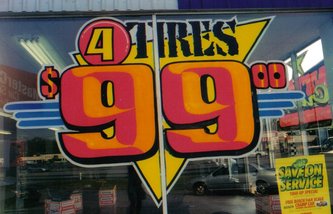
It's a well known fact, or should be, that your customers don't want to drive very far to realize their Christmas shopping list. So give them what they want! Don't make it hard for them to find you, especially after black friday, so grab thier attention in THEIR OWN NEIGHBORHOOD, and increase sales this 2011 holiday season.
Over the years I've seen my customers really mop up and sweep away the competition, just by trying a high impact Christmas window sign, decorative splashes of color attract attention.
So for this 2011 Holiday season, why not try something that works, contact local artist Ashley Bussey?
Holiday Window Art really works !!!
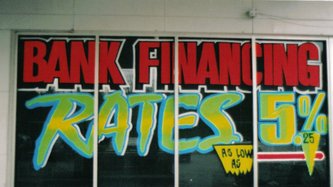
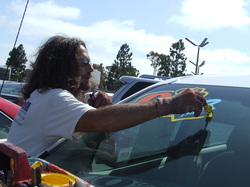
Ambidextrous windshield painter
in San Diego Strikes Again !!!
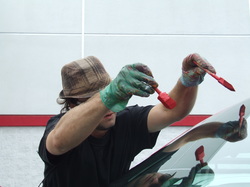
Here's How I Paint Car Window Graphics.
Bright, Colorful, Eye Catching, Easy To Read Car window painting.
It's really all about the bright color.
Car window painting works, because it makes it look like their is a BIG SALE going on, and you or someone on your lot has just slashed down all the prices in a panic !!!
It's really all about the bright color.
Car window painting works, because it makes it look like their is a BIG SALE going on, and you or someone on your lot has just slashed down all the prices in a panic !!!
Window painting IS point of purchase advertising THAT YOUR LOT NEEDS !!!
What is "Point of Purchase" Advertising? It's better referred to as P.O.P., and is most commonly mastered inside the store where the inventory is. All marketing guru's know that you need to make offers to your clients, all the way until they buy something. This means, that if your cars on your lot are empty, then you are NOT saying anything, and you are DROPPING THE BALL, at this most crucial time.
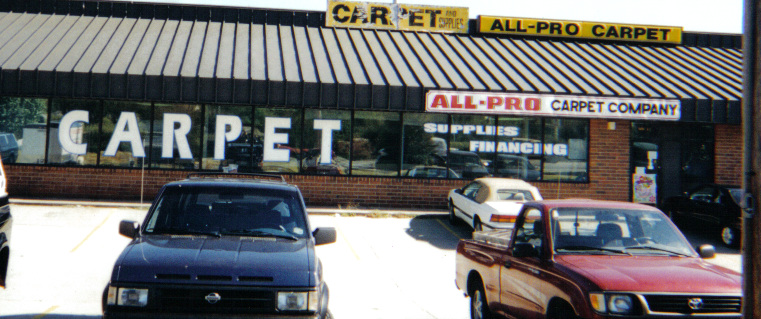
Think about it. You spend a lot of money to get them on the lot, then the customers are led only by the Winging it approach with most sales people. Why not help your sales guys out, and give them more information on the windows that will keep the customer thier longer, help create "Yes" responses, and at the same time lead them into the RIGHT car.
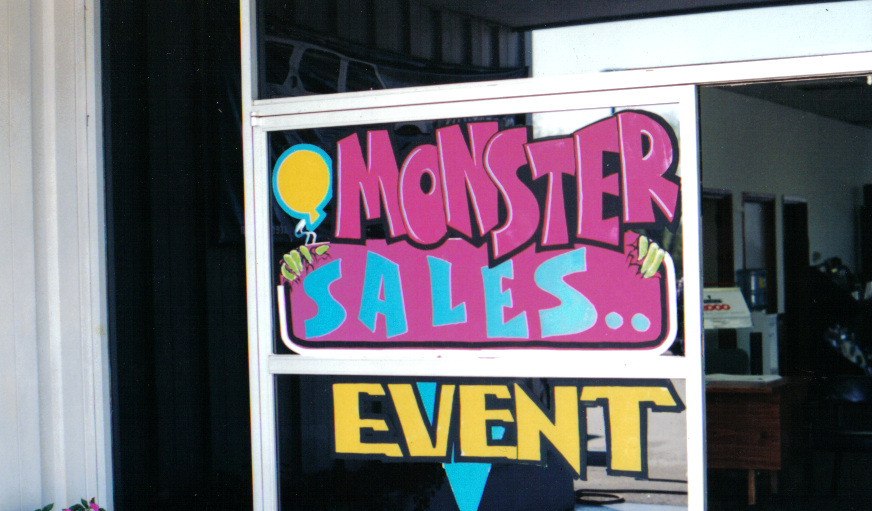
I recently had a woman come up to me while I was painting at one of my lots, and she made a point to tell me, "You know i was passing by, and your paint made me come on the lot." I thanked her, and asked her several questions about the experience, and felt good knowing that my form of P.O.P. ads had done it's job.
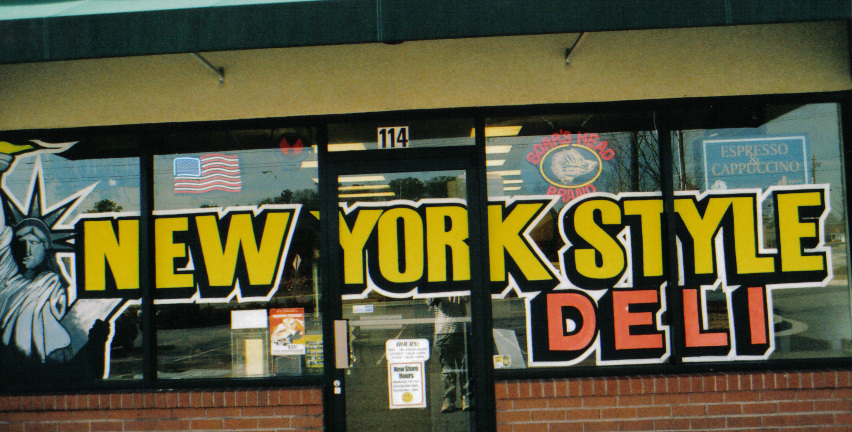
Custom Logo's On Walls
For a limited time get your custom logo painted on any surface for only $200.00 !!! This offer expires November 20, 2011. Some restrictions do apply.
If you need your logo painted on a wall really big, then we can do it on any surface. Not all surfaces are good for painting. See artist for details. Fill form out at the top of the page for more information.
Many retail business owners search for an effective and affordable way to promote their drive by location. So one of the first thoughts is to do window lettering, and rightly so.
They may begin to think of their services that they offer, and then try to squeeze all their services on the window and end up getting a mess of hard to read wording.
I like to list the services on the windows of course, but even better than that, i like to plan what the windows will be doing all year round. I say it this way, because really window glass can be the best form of advertising that your location can experience, if done the correct way.
They may begin to think of their services that they offer, and then try to squeeze all their services on the window and end up getting a mess of hard to read wording.
I like to list the services on the windows of course, but even better than that, i like to plan what the windows will be doing all year round. I say it this way, because really window glass can be the best form of advertising that your location can experience, if done the correct way.
The key to this is to change the message. In advertising saturation is when your audience really just stop noticing your ad anymore. They've seen it so much that it doesn't catch your eye anymore.
Let's face it, as humans we notice illogical things, a flag waving in the wind, a banner hung on the front, but when we leave it out their two long then the power goes away, because it becomes logical. Meaning really that the people driving by stop noticing it, because they've seen it before, and now it's logical.
So the more changes you create for your drivers by the more they will notice your store front. Sure you can use balloons, and widgets, and all kinda different STUFF to accomplish this.
The goal though should be to catch eyeballs, plain and simple.
Really the point of owning an expensive location is to have the LOCATION, but location is not enough, you must capitalize on your location every chance you get.
The better thing to do with window signs is to decide to leave part of your windows available for messages that change with the season and communicate to the customers mind set at the present time, this way you can meet their needs and wants at the same time.
Nothing says this better than as for example a low price offer, and the solution it provides at the same time, in big bold bright window painting.
Interesting Facts & Statistics About Advertising
Outdoor Advertising - Why is it so great?
Billboards remain the Cornerstone of Outdoor Media
Billboard formats offer high-impact, strategic positioning and market-to-market coverage with an unprecedented means of reaching today's highly mobile consumer audience. But that's not all. Billboards can deliver on so many levels:
· Clean eye-popping exposure 24/7
· Clutter free messages in a uniquely customized environment
· Desirable suburban coverage filling gaps left by other media
The Increasing prestige of Street Furniture
Street furniture advertising is versatile. It can effectively target population segments or be used to reach a broad-based marketplace. Formats range from simple to interactive, locations vary from dense urban centers to suburban roadways.
Because many street furniture displays are located near shopping and commerce centers, these outdoor products provide a last reminder for consumers just moments before a potential purchase decision is made. For this reason, street furniture advertising is ideal for generating high awareness and brand recognition near a point-of-purchase.
Reaching Consumers on-the-go with Transit
Displays that reach people traveling - by plane, train or automobile, bus or cab, and on foot, transit products offer extremely targeted outdoor messaging solutions designed to reach target consumers, whether moving or being moved. In fact, given the nature of transit products, they are visible at all hours, with particular strength during rush hour. Take your pick of the product pack - mix and match. Combining transit products can make a tremendous impact improving: reach, frequency and overall impact in one cohesive media package.
A New Twist is Alternative Outdoor Media
Beyond billboards, a whole new field of advertising formats has emerged to impact consumers head-on during the course of daily activities. Originally developed to bridge gaps in urban centers, the alternative outdoor products have today grown into a sophisticated and viable billion dollar business. The beauty of these ad forms is the targeting they provide, and their synergy within micro markets.
Alternative outdoor media provides the impact of outdoor's 'power of presence' with the intimate messaging of print media. Alternative outdoor media can cover a market far and wide or provide synergies with locations strategically placed around a town. Use one specific form of alternative outdoor or go "hog wild" with multiple executions. However it's done, alternative outdoor media is a cost efficient means to promote a big brand with "round the clock presence" on a local level.
Outdoor advertising has come a long way from its humble beginnings as a roadside poster. Not an afterthought to fund editorial content, outdoor advertising is pure and unfettered - a proud beacon, beautifully rendering a product's benefits and whereabouts. Outdoor offers a treasure trove of choices that suit every target, every geography, and every strategy. Today outdoor offers a portfolio of settings and frames that are custom built for every imaginable need a marketer might have. The diversity and variety provides a marketer creative expression that knows no limits and a geographic dispersion that offers both deep and wide market coverage.
.
Outdoor can reach a vast marketplace using a seemingly limitless combination of formats
"Outdoor Media Plays Critical Role in Media Mix New Arbitron Study Reveals"
Courtesy Arbitron
September 09, 2001
Whether targeted to pedestrians or vehicle drivers/passengers, outdoor media have the power to reach today's mobile consumers, according to a new outdoor media consumer study conducted by Arbitron Inc. Particularly, outdoor media can play a critical role in a media plan by reaching consumers who are not exposed to either newspaper or local television news. The study also underscored outdoor media's compatibility with radio, which also has the ability to reach people out-of-home, close to the point of purchase. Indeed, these two media classes move in lockstep with each other; the greater the time spent with outdoor media, the greater the time spent with radio.
The Arbitron Outdoor Study was designed to examine the media habits of America's pedestrians, vehicle drivers and passengers, and commuters. To conduct the study, Arbitron surveyed 2003 consumers aged 18 and older by phone.
“According to the study, media that target vehicle drivers/passengers reach 96 percent of Americans weekly and outdoor media that target pedestrian traffic reach 79 percent weekly.”
Among the study's findings are that Americans are more mobile than ever. For instance, Americans reported traveling an average of 302 miles in a vehicle in the past seven days. Not surprisingly, much of this travel is devoted to going to and from work, with the average daily, round-trip commute clocking in at 54 minutes. Pedestrian traffic has also stepped up across the country with eight out of ten Americans reporting that they have walked in any town, city or downtown in the past seven days.
With so much motion in the marketplace, the study quickly revealed the power of out-of-home media to reach America's increasingly elusive consumers. According to the study, media that target vehicle drivers/passengers reach 96 percent of Americans weekly and outdoor media that target pedestrian traffic reach 79 percent weekly. These findings are especially important because of the inverse correlation between time spent traveling and exposure to other local media. According to the study, heavy commuters spend 19 percent less time reading newspapers and are less likely to be reached by local TV newscasts, especially the local evening news.
In addition, three new consumer groups emerged from the study: Mega-Milers (29 percent of consumers who represent 77 percent of all miles traveled by vehicle), Power- Pedestrians (the 21 percent of Americans who generate 83 percent of all miles walked) and Super-Commuters (the 24 percent of Americans who spend nearly two hours a day getting to and from work). Mega-Milers and Super-Commuters tend to be upscale, educated and more likely to be married with children than the national average. Power-Pedestrians, on the other hand, tend to be younger, single and from each end of the income spectrum.
"The emergence of these groups confirms that outdoor media not only have significant reach, but they also can generate extremely significant frequency of exposure among heavy commuters and vehicle drivers/passengers," notes Nancy Fletcher, president, Outdoor Advertising Association of America. "We're delighted that Arbitron has developed this insightful and valuable study, which will help marketers to better understand the full capabilities of the outdoor medium."
Another important finding of the study is that over one-third of Americans shop near work. Among those who work full-time, 62 percent say they shop closer to home and 35 percent indicate they shop equally near home/work or shop most at work. "This indicates that advertisers cannot just target consumers who live near their retail locations; they must also consider the sizable group of consumers who shop near work when constructing their media plans," says Jacqueline Noel, director, sales and marketing, Arbitron Outdoor. "By examining the results of the study, marketers can identify out-of-home media that have the ability reach the working crowd, as well as gain important insight into outdoor advertising's role in the overall media mix."
In Praise of Itself: New Facts from the Outdoor Advertising Industry
Anyone who has worked for city ordinances to restrict outdoor advertising is well acquainted with the opposition. They come to City Council meetings in suits and insist there is no evidence that outdoor advertising impacts youth.
But, according to the July 20, 1998 issue of Advertising Age, leaders of the outdoor advertising industry have a different opinion regarding the efficacy of their medium. Noted figures in outdoor advertising hail "outdoor" as the medium of the new century in an eleven page special section paid for by the Outdoor Advertising Association of America (OAAA). Industry leaders point out that outdoor advertising is effective because it is constantly "on". In her article titled, "What Makes Great Outdoor?", Sheila Hayes, communications director for OAAA writes, "Whether it's a kid on a family trip or a commuter going to or from work, the audience for out-of-home (outdoor advertising) is non-stop, 24 hours a day." Stephen Freitas, VP-marketing of Eller Media Co., writes that "the defining representation of 20th century culture has been forever captured by the indelible mark of outdoor advertising." He goes on to say that, "Outdoor advertising has the ability to communicate a message to a massive mobile audience with continuous presence. Outdoor's true strength is its unique position within major commerce areas. It coincides with high-traffic intersections and heavily traveled arteries to reach busy consumers with the right message at the right time."
But Freitas doesn't stop there. Unlike the industry representatives at the City Council meetings, he contends that outdoor advertising is highly effective and he cites research to support that claim:
"New research is shattering the long-held opinion that outdoor measurements are too grand to take seriously. In truth, outdoor reaches the masses. In a 1997 test, Kellogg's measured consumer awareness of an outdoor campaign for Rice Krispy Treats. In the four test markets, unaided brand awareness increased 25% as a result of the outdoor campaign.
Interestingly, the Fox Kids Network conducted outdoor research that found similar results. In a measurement of children's response to outdoor advertising, awareness of the Fox Kids Network programming rose 27% as a result of the outdoor campaign."
Outdoor advertising industry leaders are confident that their medium is effective. So confident that they take out an eleven page spread detailing its impact. Looks like the suits will have to find a new argument.
Source: Advertising Age, July 20, 1998, "Outdoor Advertising", PP. Al-A1l. Prepared by the Center on Alcohol Advertising.
Evolutionary Changes in the
Great Outdoors
By Stephen Freitas
Most evolutionary changes occur extremely slowly over many years, so it's almost impossible to witness the changes over time. But in the evolving arena of outdoor advertising, changes are coming swiftly. Don't blink because you may miss something important coming along.
Four distinct factors are driving change in the outdoor industry and the causal effect is a fundamental revolution of ideas and applications within the medium. Consolidation, media fragmentation, modified consumer habits and technological advances are all impacting the way media is consumed and outdoor is clearly an integral part of the matrix in a new paradigm shift.
The rapid and sustained consolidation of media properties over the last decade, particularly within the outdoor segment, is leading toward simplified buying for advertisers across multi-media platforms. An infusion of capital into the industry has fostered the propagation of vital marketing studies, pioneered the research & development of new outdoor formats and has encouraged savvy entrepreneurs to explore new approaches to the world's oldest medium. Multi-national media companies, such as Clear Channel, JCDecaux and Viacom are investing serious dollars into the outdoor industry and the investments are beginning to pay off in spades with improved infrastructure and expanded services for advertisers.
Both Nielsen Outdoor and Arbitron Outdoor have tapped into the enormous potential that outdoor advertising offers in the area of audience measurement and have set tandem courses toward the establishment of an outdoor ratings service that will place outdoor media on a level playing field that is synonymous with other media measurement. Funded by a consortium of key industry players, the steep price tag for such a service would never have been considered without the infusion of capital that consolidation has provided. (See the related story).
New street furniture products are being developed in Chicago.
Upgraded infrastructure and the innovation of new outdoor properties has also been a result of consolidation. Many of the large outdoor companies have begun investing heavily in the development of high-style and completely integrated street furniture produces across the nation. Likewise, cities are partnering with outdoor operators to incorporate impressive outdoor districts into massive reclamation and urban renewal projects, such as the Hollywood and Highland project in Southern California and the new 42nd Street in New York. It is consolidation that has made these and other sizable investments possible. More are on the horizon.
Hollywood & Highland project in Hollywood.
The Block E project in Minneapolis.
Consolidation has also lead to a sharpened interest in cross-platform packaging among buyers and sellers with the integration of media properties holding the promise of better utilization of resources. Outdoor media companies are among those business sectors leading the charge toward sophisticated multi-tier media planning. As a result, outdoor is becoming a primary element in well conceived media plans rather than an incremental "add-on" medium. Today a veritable list to Fortune 500 companies are turning to outdoor media with hopes of bring increased value to their advertising campaigns by ratcheting up exposure lost through the fragmentation of other traditional media outlets.
Media fragmentation has had a profound impact on the way media is consumed today. Over the last twenty year the proliferation of new television and cable options, radio stations, magazine titles and the birth of the Internet has permanently reshaped the media landscape. Include the development of on-demand television technology and the mounting challenges faced by advertisers trying to reach their audiences become clear. There are too many media choices.
Outdoor offers a means to cut through the clutter of daily life by reinforcing messages that intercept consumers consistently throughout the course of a day. Outdoor impacts time-stressed consumers with targeted reach, frequency and continuity when other media struggle for an audience. Outdoor reaches beyond the front doors of American homes and provide a constant reminder that a brand is a good choice when consumers are mobile and most receptive to advertising stimuli.
Outdoor is an effective medium that can target precise geographic neighborhoods with accurate message delivery. Outdoor is also the last mass medium. Reach a mass audience or target a specific niche; outdoor can let you have it both ways.
While outdoor has benefited from the fragmentation of other media it is changing consumer behavior that has most effected on the increased value of the medium today. Commute times continue to increase every year with the average American traveling 308 miles on roads and highways each week. Multi-tasking has become a way of life for most people and that has translated into heightened mobility resulting in less time at home with television, print and the Internet.
Arguably the most significant evolutions in outdoor media have come in the area of technological advancements. It was only 10-year ago when computer painted vinyl was the exception and not the rule. Innovations in digital technology and narrowcasting will no doubt leap the outdoor industry forward again over the next decade. Next on the horizon, digital innovation holds the promise of a bold new method of buying and selling outdoor media. By the daypart.
LED technology may lead to selling outdoor media by daypart.
The move to daypart selling is coming soon and will be facilitated by the introduction of new printing techniques. Many companies are developing digital-ink technology that requires only a small electrical charge to change reflective ink displays. The displays can be changed instantaneously based on multiple factors such as view reaction, time of day, location, sales results or current events.
Digital ink technology being tested in London.
Already in use are bus shelters that communicate with PDA devices and taxi tops with messages that change based on GPS determined coordinates in a city. In the near future, look for outdoor units that interact directly with smart car technology (called telematics) allowing advertisers the ability to literally beam information into passing vehicles from outdoor locations.
From roadside signs at the dawn of the automobile revolution to the promise of hi-tech means of communications, the outdoor industry has continued to evolve over two centuries. The commitment that the outdoor business offers advertisers is now and has always been powerful presence in a marketplace. The times may change and the methods utilized to reach consumers may evolve, but the fundamental principles of outdoor advertising remain the same: a simple idea can cut through the clutter and deliver a message that is powerful and relevant. That is the sustaining power of outdoor advertising.
Introduce Yourself to Outdoor Advertising
If you think you understand everything there is to know about outdoor advertising you may want to take a closer look. Things have changed. Over the past few years, the outdoor advertising industry has evolved into a rejuvenated media force to be reckoned with that's poised to compete aggressively in the 21st century media fray. While many traditional media segments have struggled to remain competitive in a period of economic strife, the outdoor industry has remained relatively unscathed and solvent due in large part to the strength of local sales as both national and regional brands have shifted a significant portion of advertising dollars to grassroots promotions.
U.S. Outdoor industry spending over the past ten years (billions).
Outdoor today is a vital element in well-conceived plans. The top brands using outdoor are a veritable blue chip list of advertisers: AT&T, American Express, IBM, McDonald's, Procter & Gamble, to name just a few brands that know about wise investments, brands that have plenty of choices to market their products. The interest has been steady and growing and with good reason. Outdoor offers outstanding value for the dollar and a myriad of ways to ratchet up exposure. Whether matched with other media to extend reach or used extensively on its own to saturate a market, outdoor can't be beat. Its ubiquitous presence insures that when a consumer is ready to purchase, the brand is top of mind. Today it seems, consumers are in a hurry and outdoor provides quick and concise information to help individuals make rapid purchase decisions. Outdoor surrounds consumers with ubiquitous presence offering media choices that suit every target audience, geography and strategic plan. Outdoor is a comprehensive mix of effective media delivery mechanisms that reach people in their cars or on subways, in airports and malls or in any number of growing outdoor media settings. Outdoor is roadside, outside and inside, above and below ground and on the move.
Outdoor Advertising Industry
Continues Growth
There was significant growth in the telecommunications category, which rose an impressive 28.1%. Other considerable gains were in the Insurance & Real Estate category which increased 10.6% and the Media & Advertising category which grew 11.8%. Other growth categories included Local Services & Amusement (7.2%) and Retail (5.4%). Both the Financial and Restaurant categories were up slightly, posting 1.4% gains.
The outdoor advertising industry posted $1.4 billion in revenue at the close of the year’s first quarter. This indicates a 2.9% increase over the same period a year ago, and sustains a growth trend that has been steady over the past 18 months. (Please see attached charts).
“The outdoor industry continues to enjoy sustained growth month after month,” said Stephen Freitas, chief marketing officer for the Outdoor Advertising Association of America (OAAA). “Outdoor advertising has grown despite the recent decreases in ad spending among several Fortune 500 companies.”
Outdoor Ad Revenue Gains Accelerate
In 2004
The outdoor advertising industry posted strong revenue growth in the fourth quarter of 2004, with a 4.5% increase over fourth quarter 2003 and an overall increase of 6.0% in 2004 compared to the previous year. Total US outdoor revenue in 2004 was $5.8 billion, up from $5.5 billion in 2003.
“The industry has reestablished historical growth trends that had been consistent for decades,” said Stephen Freitas, chief marketing officer for the Outdoor Advertising Association of America. “The low growth anomalies apparent since 2001 are now gone and the industry is poised to grow at an accelerated rate over the next several years.” According to Universal McCann’s Robert Coen, outdoor’s performance surpassed local newspapers (4.5%), local radio (4.0%), and yellow pages (1.0%).
Outdoor media performance was vigorous across most of the top 10 advertising categories for the year with Local Services & Amusements, typically the largest spending category, remaining solid with 5.2% growth. The biggest gains came in the Financial category, which posted a 37.5% increase for the year. Other sizable gains were in the Media & Advertising (31.9%) and Insurance & Real Estate (15.0%) categories, reflecting the continued resurgence of the U.S. economy. Telecommunications (8.7%), Automotive Accessories (7.9%), and Public Transportation, Hotels & Resorts (0.5%) all reported gains. (Please see attached charts.)
Outdoor is expected to grow 2% over the GDP during the next 12 months. Early indications from OAAA member companies are that outdoor revenue is experiencing a steady rise in 2005.
OAAA is the largest trade association representing the outdoor advertising industry. It is dedicated to leading and uniting a responsible outdoor advertising industry that is committed to serving the needs of consumers, advertisers and the public. OAAA’s nearly 1,100 member companies represent more than 90% of industry income, and donate space to charitable organizations in excess of $350 million each year.
The OAAA issues full industry revenue estimates that include, but are not limited to, CMR’s data on billboards, member company affidavits and media projections based on a mix of recognized national syndicated data sources.
The Power of Outdoor Advertising Have you ever heard of Haka Bitter Beer?
Haka Bitter never physically existed! However, they had a very powerful outdoor advertising campaign that made some people believe Haka Bitter was real.
About the advertising campaign.
They used 50 48 sheet billboards for only eight weeks. In only four weeks, 45% of the people in the marketed area had heard of Haka Bitter. 76% of these people correctly identified the brand.
During this same time, a real beer, Powers Extra launched an advertising campaign. They mainly used television commercial.
How successful was Haka Bitter Beer's advertising campaign?
In one month, Haka Bitter spend $25,000.00 on their marketing campaign and Powers Extra spend $163,000.00 on theirs. Seven percent of the local residents recalled Haka Bitter, and only 3% could recall Powers Extra. Haka Bitter's cost per thousand was $3.57. Powers Extra's cost per thousand was $54.33! Wow, that's what I call powerful advertising!
(Source: OAAA)
Costly Billboard Advertising Mistakes
By: Selena McIntyre
We all know that advertising is very expensive and very few of us can afford to lose $5000.00 even if it is company money. Below you will find a list of the most costly billboard advertising mistakes and tips to avoid making these mistakes.
· Don't use the phrase "Clean Restrooms." Of course people want to use clean restrooms, they just expect all restrooms to be clean. We have taken cleanliness for granted. We don't notice items because they are clean; however, we do notice items when they are dirty. Think about it, how many times have you heard someone say "Wow, that bathroom was so clean you should use it.?"
· Avoid putting a photograph of your staff on your signs. If you have a staff of more than 4 people, it will be very hard for passing motorist to tell who is on the billboard they just passed. People pay very little attention to photographs of other people unless they are doing something crazy, and it is easily visible.
· Don't put a picture of your building on your billboards. The only exception to this theory is if you have just moved or built a brand new location and people have a difficult time finding your new location. I would try to find other ways to direct people to your business like "Next to Burger King" or "Behind McDonald's". You may also want to put your phone number and website address on your sign.
· Do not use your magazine ad, newspaper ad, or any other type of ad for your billboard ads. Hire a professional billboard artist to design your billboard layouts. A professional can tell you what colors, fonts, and graphics work best on billboards. This concept makes perfect sense because, you wouldn't take your children to the veterinarian if they had the flu would you?
· Red words on a blue, or black background is not very visible from average driving speeds. This color combination looks good on paper, in magazines and newspapers, but it is very hard to read on billboards. The red words tend to blend in with the dark background of the sign making it difficult to separate the words from the background. For billboard advertising purposes, red is considered a dark color, and should not be used with other dark colors.
· Using yellow copy on white backgrounds is another costly mistake. The reason for this is that from a distance, the yellow and white tend to blend together and look like the same object. Since both of these colors are light, it becomes almost impossible to tell them apart.
· Blue and white sky backgrounds look great on paper. However, when used on billboards, they tend to blend in with the real sky. A solution to this is to use a sky background that has a sunset on it, or to add pinks and reds to the sky. The goal is to make the billboard stand out and be separated from the real sky. (Of course this doesn't apply to signs on building.)
· Any kind of fancy script is a definite "no-no" for billboards. Fonts with thin letters are also not recommended for outdoor ads. Billboards need to have thick, easy to read fonts in order to be read. Remember that people only have an average of 7 seconds to read a billboard.
· Never use copy smaller than one and a half feet tall because the words probably will not be read by passing motorists. This is not because they don't want to read your message, but because they can't see it good enough to read it. Please note that billboards in town, or at red lights are not an exception.
· On a standard size billboard (10 feet to14 feet high) do not use more than 4 lines of copy on your billboard ads. For boards between 15 feet high and 20 feet high, you can use 5 lines, but it is not recommended. A good general rule it to only use a total of 8 to10 words on your entire billboard.
· Simplicity is the most important quality for billboards. The more simple a sign is, the better response it will get.
There you have it, a simple list of the most costly billboard design mistakes. Now you can easily avoid these common billboard advertising mistakes and several others by trying this simple experiment.
1. First, take a printed copy of your billboard and put it up on the wall.
2. Then take 20 steps in one direction away from the layout.
3. Now turn around and immediately start walking towards the billboard layout. But be careful and watch where you step so you don't run into anyone or anything.
4. Do not slow down when you reach the sign, instead just turn away from the sign.
5. Now stop and think about the layout. You have just viewed your billboard just like passing motorists would see it.
6. Do not look at the layout again and ask yourself the following questions.
· How clear was the copy (words)?
· Could you read everything?
· Could you tell want the graphics were?
· Did the layout leave any unanswered questions?
· Could you tell what the advertisement was for?
· Did the advertisement make sense?
· Did you remember to tell consumers how to get more information?
"The New Kid on the Block Grows
Some Teeth"
Digital Graphics
November 2003
Hearken back to days past, to a simpler time, when advertising options included radio, newspapers or magazines. Alas, those days are no more. Aside from radio and print, you now can choose from network or cable TV, direct mail, park benches, telemarketing email blasts – heck, you can even buy advertising on ski lifts. And you’d better not overlook truckside advertising, because if the pundits are right, this new kid on the block has earned some credibility and real teeth. Truckside advertising, it appears, has grown up to become a mature player in the modern advertising mix.
For a little affirmation, just visit the Outdoor Advertising Association of America website (www.oaaa.org) The OAAA, which is nearly 1,100 member companies strong, has this to say: “Over the past few years, the outdoor advertising industry has evolved into a rejuvenated media force… that’s poised to compete aggressively in the 21st century media fray.”
According to Sam Kaplan, VP of sales and marketing for Mobile Ad Group of New York City (and a member of the OAAA’s Marketing Committee), “Today my phone rings with new business inquiries because we planted the seed and now it’s growing. And the reason is that truckside works. The media buyers themselves know. This is something that has been five or six years in the making.”
But what Kaplan makes clear is that he doesn’t want to talk about the past. The story, he claims, is what is happening today.
“Now we’re talking about Arbitron (radio ratings) and the guys at Nielson (TV ratings). These are the companies that provide the accepted price quotients for broadcast advertising. They have seen growth in truckside (advertising) while others mediums have stagnated, and they’re doing something about it. As soon as the fourth quarter of next year, a ratings system will be in place that will rank test markets in the U.S. for mobile outdoor advertising.”
FACT OR FANTASY.
Does truckside and mobile billboard advertising really work? Kaplan, who, after all, sells these mediums, is convinced. But take a gander at a tick list of current truckside advertisers: AT&T, American Express, IBM, McDonald’s, Procter and Gamble, Delta Air Lines, Skyy Blue, Cadbury Shweppes…
Now, a skeptic might argue that at an approximate CPM (cost per thousand impressions) of 80 cents, these heavyweights have so much money padding their coffers that the prevailing sentiment within the inner sanctum of each may be a derivation of don’t sweat the small stuff. But Kaplan provides examples that reveal a more complex story,
“Delta Air Lines,” says Kaplan, “wanted to impact the business traveler, who typically is difficilt to reach with traditional advertising. This person is a very important part of Delta’s business, and is really the backbone of the travel industry, especially in the post-9/11 environment.
“With mobile advertising we can reach travelers at terminals and also at fractional leased jet parks (where corporations spend lots of money to transport busy executives). So, versus going into Barron’s or other business publications, Delta decided to reach this audience directly where they are traveling and doing business. Here is a pinpoint targeting method that is very cost effective when measured against broadcast mediums, because we are able to impact specific demographics exactly where they are.”
"A Moving Experience"
Beverage World
June 15, 2003
Bev Solutions: In the Field
Case Study: “A Moving Experience” by Andrew Kaplan
Highlighted blurb next to Skyy Blue Mobile Billboard Photo reads:
A mobile ad for Skyy Blue lights up the night, drawing the attention of restaurant and club-goers in Miami’s trendy South Beach district.
Any marketer will tell you that it’s become harder than ever to reach a targeted demographic group with advertising campaigns. Audiences have simply become too fragmented as cable channels and the Web pull viewers away from the networks and print media.
Aware of this, the marketers of SABMiller’s upscale flavored malt beverage Skyy Blue decided to take their brand directly to those consumers most likely to drink it – literally. The brand launched a mobile ad campaign that has its eye-catching, high quality creative appearing on 22 by 10 foot ads up and down the streets of six U.S. cities: Miami, San Diego, Boston, Los Angeles, Philadelphia and Washington, DC.
“They drive through the cities, but we also provide directions on certain areas that are appropriate to visit,” says Skyy Blue’s brand manager, Laura Emory. “We can suggest that certain nightlife areas would be a good fit for the mobile billboards, and that way we are able to reach the legal drinking age consumer in that nightlife environment.”
The mobile ad campaign has been organized by the New York City-based Mobile Ad Group. Sam Kaplan, the company’s vice president of sales and marketing, says it takes two forms: one on the side of actual delivery trucks and the other on mobile billboards that, like they sound, are simply billboards on wheels.
“What’s really interesting about this medium is that we can use third-party trucking companies to carry the message, turning them into a virtual fleet of delivery trucks for that product,” Kaplan says.
That’s during the day. At night, a lighted billboard can be parked in front of a nightclub.
The ads will be coming to a city near you this summer. “This showing is going to be amazing – the weather’s going to get warmer, people will be out on the street and here comes this beautiful European beach scene which is very upscale. It’s going to be unexpected, creating quite an impact for SABMiller’s Skyy Blue,”
says Kaplan.
"On the Road Again"
Digital Graphics
August 2002
If a pie chart or statistical graph were developed for every aspect of business, from sales at Junior's corner Kool-Aid stand to Lee Iacocca's success in the auto industry, it would surely show dips and arches.
Reports from industry insiders regarding the future of outdoor advertising have been conflicting. Specifically, truckside and mobile billboards are said to be either climbing the charts or stagnating.
It seems a defining difference in the growth of truckside advertising is whether the ad is on the side of an over-the-road rig, or an urban box truck making daily deliveries.
MATCHMAKING
From supplying the prints, to selling the ad, to providing the trailer or box truck, many entities come together to make up the business.
For instance, Jack Berry, co-founder of PrintCom Inc. in Raleigh, NC, says that as a large-format print provider, his firm wants to be the turnkey solution for mobile advertising, but reports the state of the industry has given him reason to use his million-dollar printers for more profitable applications-at least for now.
On the other side of the coin, Michael Pavone of RoadShows in Camp Hill, PA, saw enough business to turn from ad agency to truckside advertising firm.
Three years ago, Pavone says that while driving, he was ogling a billboard-critiquing the ad-when he almost found himself sandwiched under a tractor trailer. It wasn't quite like getting chocolate in one's peanut butter, or peanut butter on one's chocolate, but Pavone said that was the moment he decided it was possible to combine the two industries.
He explains that more recently, however, finding advertisers for over-the-road trailers hasn't been easy. Most ad agencies and advertisers believe it's difficult to market a product on a vehicle that is traveling across country.
PrintCom's Berry says the truckside ad industry needs high profile, national accounts to embrace it and others will follow suit. Some questions also need to be worked out.
"Will it be third party? Will it be owned and operated fleets with their own branding? Will it be retail merchandisers co-opping with their various product manufacturers? Or will it be a mix of all those things?"
So far, Berry reports that PrintCom has had more success selling a manufacturer an ad campaign to brand its own fleet of trucks than with third-party advertising.
Selling third party-putting an ad for AT&T on a Yellow Freight truck, for example-is a relatively new idea according to Berry, and "a new idea usually takes a lot of blood, sweat and tears," he says.
The problem with over the road (OTR) truckside advertising, reports David Ludington of TransMedia Group (TMG) in Chicago, is that OTR trucks are typically not market- or route-specific.
"In the top-five media markets like New York, Chicago, San Francisco, L.A. and Boston, you can achieve geographic target accuracy or reach down to a Zip code or two which is unprecedented in mobile or non place-based advertising,"he says.
This means that the truck, usually a box truck, travels from delivery to delivery through a heavily populated urban area on a regular route schedule.
Ludington reports that TMG is seeing increased demand from ad agencies and advertisers alike over this time last year, but targeting the market is key for each advertiser. "There is a place for OTR ads in certain markets, but we feel we can generate a higher degree of target accuracy than any other non-billboard media," he says.
Consider the large advertisement on the side of a tractor-trailer as it travels across the country at 55 miles an hour. Ludington points out that 80 percent of the travelers that see it are driving in the opposite direction. "Multiply that speed by two," he says and it's a matter of a split-second in which the driver may see the message.
MobileAd Group's Sam Kaplan agrees. A brokerage firm in New York, MobileAd prefers to supply inner-city trucks with advertising rather than to any long-haul truck.
"It's a big country," he says, "and when you load up a truck in Kansas City to take beef from Chicago to Las Vegas, about the only thing that truck is going to pass are billboards that say, World's Largest Prairie Dog: 10 Miles!"
Kaplan and Ludington agree that route-specific delivery vans that are toting ads for Starbucks Coffee, for instance, are giving the illusion that Starbucks owns its own fleet of trucks, which Ludington refers to as a virtual fleet.
IT TAKES MONEY TO MAKE MONEY
George Gearner, CEO of Fleet Advertising Media Group (FAMG), and chairman of the Transportation Advertising Council of America (TACA) explains that getting involved in the business of truckside advertising requires a degree of patience, a few already-established clients, and enough capital to hold the company steady until it begins to see a profit.
A number of businesses, he says, have "gone to the boards in one fashion or another. They weren't prepared to subsidize themselves for a period of time. Many operated at a loss until they had to quit the business."
FAMG has been in business for eight years and it took some time, he says, for them to become profitable. Part of the investment in truckside ads is the membership fees of certain auditing bureaus and lobbying organizations that assist outdoor advertisers, which according to Gearner, can cost thousands. The result is that "Companies can go almost $30,000 in debt before they even open their doors," Gearner says.
It's not a requirement to join such organizations, but Gearner says it's impossible to give audit information to clients without being a member. "You'd have to tell your client, 'We think you did well' which doesn't sell too well."
Still, some clients don't feel it's necessary to be a member because they're comfortable with where their truckside ads are traveling.
When an advertiser has an ad campaign on a number of trucks circulating through, say, the streets of New York City on a daily basis, he knows it's being seen by a specific target audience.
Gearner says he's got OTR trucks ready to carry a campaign, but one of the difficult problems for the industry is that advertisers, agencies and clients already have a market in mind, and in some cases they only want to be in part of the market.
"We have a program running in Manhattan now, and this particular advertiser isn't interested in being seen in any other borough," he says.
WATCHING THE TRENDS
At the OAAA, Chief Marketing Officer Steven Freitas says there has been a significant drop in all advertising since 9/11, not just in mobile advertising.
But he quickly adds that 2000 was an incredible year - what he referred to as "false prosperity." It was a difficult year to trend because everything was going well.
"Removing 2000 from the equation, 1998 and '99 were more comparable with profits in 2001," Freitas says. A major reason behind the success of truckside advertising in 2000, he says, was due to the high influx of dot-com companies.
New outdoor companies were developed, and truckside advertising was used to get the word out for every new dot-com that came along. And almost as fast as they sprung up, the dot-coms died, and so did their advertising campaigns.
This year, however, things are picking up in the third and fourth quarter, Freitas reports. Truckside advertising is considered cutting edge and everyone is looking for something new and different.
"Goin' Mobile"
Beverage World June, 2002
Any successful beverage marketer knows the value of optimum, effective exposure. One of the latest media being employed to that end is mobile advertising.
“The reason that mobile advertising in its many forms is so effective right now is because it's inexpensive, quantifiable, and very accessible,” says Sam Kaplan, vice president of Mobile Advertising Group (New York, NY).
One of Mobile Advertising Group's most effective programs is TruckSide advertising—using a third part delivery truck to optimize a brand's presence in a particular market. According to Kaplan, “the program is executed at a low cost to the marketer because it's cooperative in nature.”
The CPM (cost per thousand viewers) for TruckSide advertising is 90 cents, compared to a half-page black and white newspaper ad at $19.20 or a 30-second TV spot at $16.25.
Better yet, Mobile Ad Group has demonstrated success in giving beverage marketers what they want at the end of the day—an increase in sales. For example, Mistic saw a 29-percent boost in sales over a two-month period after adopting a TruckSide advertising campaign with Mobile Ad Group.
Dr Pepper/ Seven Up brands have also felt a positive impact since adopting the TruckSide campaign. “Year after year we continue to see results from our TruckSide advertising,” says Jennifer Welsh, manager of media for DPSU, “and hope to continue this success in years to come.”
The graphics themselves are high-resolution vinyl and certainly aren't limited to use solely on the sides of trucks. This summer Mad River Teas and Juices will be executing its “Wilderness Summer Tour '02” campaign. Along with a branded beverage sampling truck, the promotion features VinylWrapped Mad River-branded kayaks.
"Choosing the Right Media"
Beverage Industry
October, 2001
“[TruckSide] billboards are strategically placed to hit the target market”
Clever TV, print and radio promotions do a great job of reaching out to potential new consumers, but many beverage companies have expanded their marketing approaches, seeking new and creative ways to convey their messages.
New roving billboards for Mistic Brands, Inc.. add a mobile twist to the typical static billboard advertisement. Mistic devised provocative, eye-popping imagery designed to appeal to the MTV generation, and then consulted Mobile Ad Group, New York, to devise a unique way to promote its campaign. The result was an on-truck billboard.
"The 18 to 25 year old age range is a demographic that everybody wants to reach now, so we"ve displayed Mistic"s high-definition images in a four-sided framing system that is totally flat and conceals the truck underneath it", says Sam Kaplan, senior account executive, Mobile Ad Group. "The result is a billboard that is right in your face as your walking down the street."
What"s more, the truck ads are displayed on third-party trucks, not Mistic delivery vehicles Š that are fitted with GPS devices that allow companies to track where the truck has been and chart its advertising process. Kaplan contends this new mode of on-the-go advertising allows companies better penetration into convenience stores, mom-and-pop groceries, and urban markets, because the trucks that display the billboards are strategically placed in that market.
"Stationary billboards are super if you can secure a great location, but tour billboards are strategically placed to hit the target market" he says, "we have thousands of third party trucks in our inventory, to which we apply the graphics frame, the billboard and a GPS device, and it only costs one to two dollars per thousand".
This summer, Powerade, part of the Coca-Cola Co, Atlanta, also used delivery trucks to unconventionally convey the launch of the sports drink"s bold new look and vitamin-enhanced formula. But rather than having the tractor trailer trucks drive to the event, they were pulled by two 300-pound strongmen down 17th street at Union Square Park, while some of New York"s best street basketball players "hooped" it up alongside skateboarders and BMX bike riders. All of the athletes ere painted in Powerade-themed designs by professional body painters.
The event was kicked off by Masters of Ceremonies, Stuart Scott and Rich Eisen, both of ESPN. The event was a celebration of Powerade's new approach to sports drinks in America and the athletes represented the fusion of traditional sports and action sports that define what our new approach is all about". According to Rohan Oza, Powerade"s senior brand manager.
Powerade"s new and improved formula features vitamins B3, B6 and B12, which play a role in energy metabolism. In addition, the brand has added Powerade Light to its line-up, a new beverage with 50 percent fewer calories that the regular formulation. In addition to the launch event, the line will be supported by an extensive advertising campaign, including television, print and out-of-home media.
TAPPING INTO FAN FAVORITES.
When inventor Maurice Kanbar devised a quadruple-distilled, triple-filtered process for removing vodka impurities, his invention was translated into the 1992 formation of Skyy Spirits LLC, San Francisco. Back then, he had no idea his new company would grow to incorporate his passion for film. In fact, not long after the company"s humble beginnings, it targeted independent films as its integrated communication platform. Nine years later, the company is a premiere sponsor of a variety of independent film events, spanning film premiers, screenings and festivals, to internally generated and funded film-related programs.
A sponsor of the renowned Sundance Film Festival, Skyy recently latched onto one film, MOMENTO, and created a 10-city tie-in that supports its screening program. "This gave us great sampling opportunities while tying into something that was really hot", says Sue Hearn, public relations/even manager, Skyy Spirits. "Independent films are a great way to reach the urban consumer who is culturally aware, savvy and social. And, let"s face it; part of the film festival allure is the parties. There"s definitely a glamour, sophistication and sexiness associated with independent films."
Skyy Spirits also commissions short films “ Skyy Shorts ” that feature the portrayal of various cocktail moments. The films, viewable on the company"s web site (skyy.com) feature the work of directors that range from Indie unknowns to well established filmmakers. The web site also contains a host of information for film related sponsorships and practical tips for up and coming filmmakers. Along the same vein the company launched the Skyy Vodka Short Film Awards, a direct to consumers celebration that rewards the efforts of over-21 graduate film school who submit films falling into one of 3 categories: cocktail moments, fiction and animation.
"This business is a relationship business," says Hearn. It is important to support Hollywood not only in the form of in-kind products, but also to commission works of art".
Skyy Spirits" print advertising campaign, dubbed Skyy Cinema, features no copy but portrays cinematic moments through rich, technicolor images that look like they were taken from a film. The company recently scored a major advertising coup when a call from actor Ben Stiller"s promotional group requested the use of one of Skyy Spritis" ads for the actor"s upcoming Paramount movie "Zoolander". The original ad featured a male model whose head was later replaced with a superimposed image of Stiller"s head. The new ad is now used as an advertisement for the movie and is posted everywhere in major cities across the nation.
Each beverage segment has a distinct consumer niche and it is up to the people who devise new promotions to come up with unique ways to address the needs of each niche. Gatorade, a sponsor of NASCAR racing, has had great success with a convenience store trading card promotion.
"We"ve created custom, high-quality NASCAR trading cards around the Gatorade Frontrunner Awards", says Rich Feitler, executive vice president, The Promotion Network, Chicago. "From what we know about C-store consumers, they aren"t the type of people who stop by to pick up a drink, fill out a form and wait ten weeks to see if they"ve won something. With this promotion, we tried to peel back the complexity of promotional programs by asking does this consumer like and what will motivate them?"
"We concluded the cards have to be high quality and should feature drivers they like. It is got to be available, with no work for the retailer or consumer, and it is got to be a value-added offering that leverages a premier sponsorship", he adds. It"s worked extremely well for Gatorade.
Feitler says that when a company sits down to design a promotion, they must think about an objective other than building sales. "You have to define who you are trying to motivate and you have to define what the promotion will drive and where it will fit. There must also be sensitivity about what else is in the mix of what a company is selling, then you can work to design a program that pushes those buttons and makes it happen".
"Keep on Truckin' "
Digital Graphics
August, 2001
“…[TruckSide advertising] speaks to the targeted niche marketing that the advertising industry has been moving toward for some time…”
Mobile Ad Group, New York City, put this TruckSide advertising campaign together for Cadbury Schweppes. Image King of New York City printed the graphics on flex-face using a grand format printer. The graphics are held in place by a four-sided frame system. "TruckSide vehicles provide an alternative out of home medium that increases exposure to targeted demographics at the lowest CPM in the industry," says Sam Kaplan, senior account executive for Mobile Ad Group.
Every metropolitan area in the world is stuffed with trucks. We curse their every existence as we try to navigate the increasingly clogged arteries that circulate our fellow commuters and us into the world's commercial centers. As commuters we see trucks-whether big rigs or multi-wheeled delivery trucks- as one of the primary causes of our commuting distress. But as graphics providers we see opportunity. Many have already successfully tapped the opportunity to extend a company's on-premise advertising to the highway. Frito Lay's trucks show us crunchy goods as they barrel down the road, providing Doritos, or whatever salty snack food it ay be, with another impression on hungry consumers.
Now, with the help of global positioning satellites (GPS) and other tracking methods, advertisers are looking for ways to reach a mobile, urban audience with their message.These days, XYZ Trucking Co., hauling lobsters, or whatever the catch of the day might be, from Cape Cod to Boston, could advertise Beenz.
"People see truck side advertising as an additional revenue source, especially when freight hauling is down because the economy is down overall", says Doug Scott, news production editor of Transport Topics. A trucking publication that recently ran an article about Truck side advertising. "It is growing in importance, you will see a lot more of the owner/operators, - the small guys or small fleets - doing it". The parties that benefit from truck side advertising include the trucking companies, advertising agencies, media companies that rent the sides of the trucks, the advertiser and, last but not least, sign and graphic companies. "One tractor-trailer company could have 30,000 vehicles - you add that up and the amount of square footage across the country is phenomenal." Says Jack Berry, founder of PrintCom, a grand format digital printer based in Raleigh, N.C. "If they qualify it, quantify it and get some leaders to adopt it, I will retire soon."
MEASURING TRUCKSIDES
Qualifications and quantification of the effectiveness of truck side advertising is showing hopeful early results. The Traffic Audit Bureau (TAB), which audits and authenticates the circulation, or number of impressions, for out-of-home advertising, like billboards, has devised a system known as MARG for tracking truck side advertising effectiveness. The MARG system basically marries information from a Global Positioning System (GPS) that tracks a truck's movements every 2 minutes with traffic data from the federal government's Highway Performance Monitoring System (HPMS) to audit the circulation of a particular moving ad. "The system was in development for over 2 years and we introduced it in December of 1999, so the system is out there right now and people are in the process of getting the GPS leads in," says Larry Hennessy Vice President and General Manager of the TAB. Hennessy, says that initial test results from Chicago showed about 40,000-50,000 impressions per day for a McDonald's ad that ran for 12 weeks on 3 trucks, either on the interstate near the city or closer to the center of town, which averaged more impressions. "I don't know if it is a direct comparison (To billboards) because the media are very different, says Hennessy,. "It is real easy to count how many people see a billboard. With trucks in motion it's much more complicated, but the numbers generated in Chicago are relatively equivalent what outdoor advertising is doing there". Tests in other major metropolitan markets, like Atlanta and San Francisco, have shown similar results. Things are definitely looking up for the inner metro markets, where delivery trucks and such make their rounds within the city limits.
"One of the phenomena we've seen in the last couple of years is outdoor media mixes, or optimization, where instead of buying just posters and bulletins, advertisers are seeing the opportunity of reaching consumers in micro or niche markets where they can reach consumers during part of their daily life cycle," says Steven Freitas, chief marketing officer of the Outdoor Advertising Association of America (OAAA), "They're seeing opportunities to reach them in various places, and one of the products they're definitely considering and using is TruckSide advertising". Freitas adds that the OAAA hopes to start compiling national circulation figures, with numbers of the top 25 metro markets within a year. This niche marketing is not restricted to urban areas - the Texas Lottery has had success on the open road, but so far, excluding the Texas Lottery, it's the only tracked example of TruckSide advertising. Initial results from the Texas Lottery campaign have also been positive. Though the trucks aren"t blazing the coveted inner urban trails (however, they travel within 50 miles of the central business district), they're traveling to and stopping at the places people buy lottery tickets. This speaks to the targeted niche marketing that the advertising industry has been moving toward for some time with alternative media forms, like TruckSide advertising. "About a year ago, Tide wanted to reach people whey they might be spilling food on their clothes, so they put Tide ads on paper napkins in diners and restaurants. It didn't matter what the CPM was, what mattered was that they wanted to reach diners eating. In many regards, TruckSide is the same way, " says OAAA's Freitas.
TRUCKSIDE HURDLES
TruckSide advertising is not without its roadblocks, as a number of factors need to be overcome in order to fully explain the possibilities. As mentioned earlier, quantification and qualification of the numbers is one, while the specter of regulation is another.
However, regulation thus far applies mostly to mobile billboards, trucks that are designed to be moving billboards - particularly for special events like conventions - and they usually don"t carry deliveries. There already has been a precedent of sorts set by the fact that metro busses have been carrying ads on them for years. It would be difficult to override that precedent and not allow trucking companies to sell ads on the sides of their vehicles. For the time being and for the most part, regulation is a non-issue and the time is ripe for sign and graphics companies to put together advertising packages for trucking companies.
"TruckSide Advertising Spawns
New Industry"
Transport Topics
May 28, 2001
“With outdoor advertising space at a premium, TruckSides serve as readily available, highly affordable mobile billboard.”
Fleet trucks are no longer simply delivering products- they’re delivering advertising messages as well. And the popularity of the medium appears to be spawning a cottage industry dedicated to its success.
For Fleet owners, TruckSide advertising offers a new revenue stream to help offset rising fuel and operating costs. For a minimal investment, both private fleet trucks and common-carrier fleets can tap into this emerging marketing tool. A carrier may engage in either a fixed fee or profit-sharing arrangement with the advertiser, typically with a media company brokering the deal. Either way, the carrier is able to generate additional income, as long as the advertising message is not a conflict of interest with its mission or that of its clients.
So what is the catalyst fueling this mobile advertising revolution? It is a combination of advances in graphics technology and a new generation of media brokers. The state-of-the art large format digital graphics capabilities that have emerged in recent years are leading the way for media companies that recognize the possibilities that TruckSide advertising represents. These third-party brokers specialize in TruckSide advertising, handling a full slate of duties from market analysis and message development, to graphic design and print production, to installation and removal.
One broker assists clients with everything from planning their advertising campaign to producing the graphics. Vaughn Anderson, Roadmark’s operations manager, describes his company’s mission: "We act as liaison between client and fleet operators, managing every detail from start to finish".
With carriers and advertisers busy running their day-to-day business, these companies serve as the go between that keep TruckSide advertising rolling.
In some cases, additional players are involved in the process, providing further separation between the advertiser and the carrier. For example, a company may engage its advertising agency for concept and graphic design. The media broker may also choose to rely on outside printers or output bureaus to help generate the printed graphics. Even outside media analysts can be tapped by the advertiser in order to obtain independent statistics.
Whether a third party has all the necessary in -house resources to execute the campaign or elects to involve other vendors, one thing is clear, they are sure to capitalize on advances in printing technology that have made it possible to put clean, crisp, durable graphics onto vehicles within reasonable time frames and budgets.
Currently, there are two techniques being used to create TruckSide advertising - self-adhesive graphics and vinyl graphics combined with a framing system.
Traditionally, the most common technology for fleet graphics has been an adhesive technology typically used for longer commitments. This self adhesive vinyl "wrap" is a single-graphic image that can remain on the vehicle for up to 5 years, the king of longevity sought by business partners agreeing upon a long-term relationship. It is the preferred solution for messages that are likely to remain static over time.
The main source of these advanced adhesive technologies is 3M CORP., which has developed top quality products that cover trucks with wear resistant, high resolution graphics. 3M’s Scotchprint Matched Component System utilizes the company’s exclusive, specially formulation materials to deliver vibrant colors with high durability.
The Graphics Division of Avery Dennison Corp. is another technology provider for self-adhesive graphics products, offering pressure-sensitive cast-vinyl films that are designed specifically for vehicle applications.
Also known as "mural graphics," these wraps can be produced both digitally and via screen printing, depending upon the quantities required. Printers simply take the clients’ artwork and output a full sheet reproduction on vehicle vinyls and apply the graphics to the entire surface of the vehicle -sides, rear, windows and moldings.
Vendors abound for the production of self-adhesive fleet graphics.California fleet graphics provider Y3K Decal Graphix, which specializes in digitally produces high-resolution large-format printing, is a prototypical example. With clients ranging from small business to Fortune 500 companies around the country, Y3K can ship these vehicle wraps to a nationwide network of certified installers to expedite installation. Y3K uses a 300-600 dots-per-inch HP INK JET for short-term projects and a SOLVENT INK JET for long-term graphics expected to last five years or more. Both printers produce up to a 54-inces-wide, large format output.
Adhesive graphics are now being challenged by a newer solution consisting of a lightweight vinyl tarpaulin combined with a framing system. This system allows full-color graphics to be printed and inserted into the frame, rather than adhered directly to the truck. Also known as flex-face vinyl, this slide-in slide-out system is generally used for short-term engagements - one main distinction from self-adhesive graphics.
"By drastically reducing printing production costs, and requiring an installation or removal time of only 30 minutes, Side Track allows simple graphic change-outs for seasonal or time-sensitive messages." MediaVehicles CEO Keith Rinzler says "it was designed to be the lightest weight, lowest cost system available".
Transport Bulletins also offers a banner framing system that allows the installation of changeable signs. These hardware kits are designed to fit nearly every straight truck and semi-trailer manufactured. The company works with brokers, imaging companies and directly with advertisers to outfit trucks with this durable framing system. With a proliferation of large format printers operating in markets around the country, advertisers can obtain printing independently and utilize the Transport Bulletins system to frame the vinyl output.
Framing has become a viable option because it requires less fleet downtime than do adhesive technologies and allows the graphics to be reused. Transport Bulletins points out several other advantages afforded by the framing system. Installation is quick, requiring approximately two labor hours to complete. In addition to reduced downtime, framing systems offer easy installation in any weather, and the ability to make changeovers while the vehicle is being loaded or unloaded. Furthermore, the framing system protects the vehicle body as well as the underlying decals of institutional fleet graphics. The image covers the entire vehicle from side to top, creating more surface area for advertising.
NUR AMERICA offers a solution know as Nurfleet, which combines large format digital inkjet imaging with specially developed pigment inks, vinyl and two-component clear coating to create aesthetically pleasing, long lasting fleet graphics. Recently NUR began partnering with Sign Now to produce its national media program, which makes available a nation wide inventory of 10,000 trucks and buses to advertisers. Geva Barash, vice president of sales for NUR America, calls the arrangement an opportunity to capitalize on the "large and untapped market for fleet graphics." NUR also offers a self-adhesive version of Nurfleet.
Whether the output media are a vinyl banner for use in a framing system or a self-adhesive product applied directly to the vehicle, there is more than one printing option available. The traditional screen printing method provides up to 300 dpi full-color graphics. But the long setup time and lack of flexibility have opened the door for other technologies that have made fleet graphics more time-and-cost-effective.
As mentioned earlier, the most important advance in recent years is large format digital printing, which is essentially the use of a giant ink jet printer. Achieving high resolution at expanded sizes was a breakthrough that has had enormous impact on the fleet graphics industry. Consequently, it is the dominant printing technology in use.
Another emerging option for generating fleet graphics is thermal transfer printing, a process that delivers affordable, durable outdoor graphics without the need for lamination. This technology - a process of transferring ink from a coated ribbon to a substrate using thermal print head - is used in lieu of screen printing for short run applications because of its quickness, flexibility and ease of use. Thermal transfer offers minimal setup time, speed of output (up to 900 sq. ft. per hour), exceptional durability, low cost per image and media flexibility.
No matter the technique, no matter the technology, advertisers and carriers engaging in TruckSide advertising relationships are clearly on the road to mutual pr9fits.
The advantages of this alternative marketing medium are many, for both advertisers and carriers. With outdoor advertising space at a premium, TruckSides serve as readily available, highly affordable mobile billboard. Companies of all shapes and sizes benefit from the high number of consumer impressions this medium creates. Flexible time commitments, high visual impact, and precise repeatability are among the many benefits that have drawn advertisers to TruckSides. On top of all this, companies can pinpoint their target audiences by aligning their demographics with the carrier’s modes of operation - whether local, regional or national.
"What's Up With TruckSide"
Sign Business
April, 2001
“TruckSide advertising represents a huge market opportunity for sign and graphics companies, and the surface has barely been scratched.”
TruckSide advertising has been around for years, but a new twist aims to take advantage of the potentially hundreds of thousands of blank TruckSides roaming the roads of America.
The old twist was simply an extension of a company’s on-premise advertising…Furniture trucks hauling chairs and tables across town with a photo of their goods emblazoned on the side, or the local television station cruising for photo ops with their logo plastered on the side.
Of course truckers have always had a hankering for highly stylized and personal graphics on the doors of their cabs, usually lettered by a unique breed of extremely talented artists.
That’s old school. There’s nothing wrong with old school, but the new school envisions big bucks selling graphics on the sides of trucks that don’t have direct affiliation with the companies who advertise on the side of them.
These days, XYZ Trucking Co. hauling lobsters, or whatever the catch of the day might be, from Cape Cod to Boston, could advertise been.
"People see TruckSide advertising as an additional revenue source, especially when freight hauling is down because the economy is down overall", says Doug Scott, news production editor of Transport Topics. A trucking publication that recently ran an article about TruckSide advertising. "It is growing in importance, you will see a lot more of the owner/operators, - the small guys or small fleets - doing it".
The parties that benefit from TruckSide advertising include the trucking companies, advertising agencies, media companies that rent the sides of the trucks, the advertiser and , last but not least, sign and graphic companies.
"One tractor-trailer company could have 30,000 vehicles - you add that up and the amount of square footage across the country is phenomenal." Says Jack Berry, founder of PrintCom, a grand format digital printer based in Raleigh, N.C. "If they qualify it, quantify it and get some leaders to adopt it, I will retire soon."
MEASURING TRUCKSIDES
Qualifications and quantification of the effectiveness of TruckSide advertising is showing hopeful early results. The Traffic Audit Bureau (TAB),which audits and authenticates the circulation, or number of impressions, for out-of-home advertising, like billboards, has devised a system known as MARG for tracking TruckSide advertising effectiveness.
The MARG System basically marries information from a Global Positioning System (GPS) that tracks a truck’s movements every 2 minutes with traffic data from the federal government’s Highway Performance Monitoring System (HPMS) to audit the circulation of a particular moving ad.
"The system was in development for over 2 years and we introduced it in December of 1999, so the system is out there right now and people are in the process of getting the GPS leads in," says Larry Hennessy Vice President and General Manager of the TAB.
Hennessy, says that initial test results from Chicago showed about 40,000-50,000 impressions per day for a McDonald’s ad that ran for 12 weeks on 3 trucks, either on the interstate near the city or closer to the center of town, which averaged more impressions.
"I don’t know if it is a direct comparison (to billboards) because the media is very different, says Hennessy,. "It is real easy to count how many people see a billboard. With trucks in motion it’s much more complicated, but the numbers generated in Chicago are relatively equivalent what outdoor advertising is doing there".
Tests in other major metropolitan markets, like Atlanta and San Francisco, have shown similar results. Things are definitely looking up for the inner metro markets, where delivery trucks and such make their rounds within the city limits.
"One of the phenomena we’ve seen in the last couple of years is outdoor media mixes, or optimization, where instead of buying just posters and bulletins, advertisers are seeing the opportunity of reaching consumers in micro or niche markets where they can reach consumers during part of their daily life cycle," says Steven Freitas, Chief Marketing Officer of the Outdoor Advertising Assoc. of America (OAAA), "They’re seeing opportunities to reach them in various places, and one of the products they’re definitely considering and using is TruckSide advertising".
Freitas adds that the OAAA hopes to start compiling national circulation figures, with numbers of the top 25 metro markets within a year.
This niche marketing is not restricted to urban areas - the Texas Lottery has had success on the open road, but so far, excluding the Texas Lottery, it’s the only tracked example of TruckSide advertising.
"We do it a little differently for the Texas Lottery program - we lease the trailers ourselves and sublease them to the company so that we can control the vehicle", says George Gearner, Chairman/CEO of Minneapolis -based Fleet Advertising Media Group (FAMG), which sells TruckSide media packages to advertisers. Gearner is also first chairman of the TruckSide Advertising Council (TACA), an advocacy group for TruckSide advertising.
"All of the trucks have LED digits on the sides of them that display the current jackpot of the Texas Lottery. We can access those trailers from the Internet and change the digits using GPS", says Gearner.
Initial results from the Texas Lottery campaign have also been positive. Though the trucks aren’t blazing the coveted inner urban trails (however, they travel within 50 miles of the central business district), they’re traveling to and stopping at the places people buy lottery tickets.
This speaks to the targeted niche marketing that the advertising industry has been moving toward for some time with alternative media forms, like TruckSide advertising.
"About a year ago, Tide wanted to reach people whey they might be spilling food on their clothes, so they put Tide ads on paper napkins in diners and restaurants. It didn’t matter what the CPM was, what mattered was that they wanted to reach diners eating. In many regards, TruckSide is the same way, " says OAAA"s Freitas.
TRUCKSIDE HURDLES
TruckSide advertising is not without its roadblocks as a number of factors need to be overcome in order to fully explain the possibilities. As mentioned earlier, quantification and qualification of the numbers is one, while the specter of regulation is another.
"There are not a lot of regulations pertaining to TruckSide advertising, per se, but because it is becoming more prevalent very quickly, a lot of cities are starting to take a look at TruckSide advertising. There are some cities - specifically New York, San Francisco and Boston - which have taken that step and are aggressively looking at regulatory controls. There is some litigation in those cities, because there are aspects within the city laws where they are questioning whether it’s legal to carry signs on trucks. They’re talking about a significant reduction or elimination with those cities, so some of the companies involved in those cities are already in court dealing with those types of legal issues and free speech."
However, regulation thus far applies mostly to mobile billboards, trucks that are designed to be moving billboards - particularly for special events like conventions - and they usually don’t carry deliveries.
"Any time that the government sees an opportunity to get involved in business, they do. However, we have been very careful nopt to violate any of the federal or state department of transportation regulations. The trucking company knows what the rules and regulations are, and we rely on the", says Gearner.
There already has been a precedent of sorts set by the fact that metro busses have been carrying ads on them for years. It would be difficult to override that precedent and not allow trucking companies to sell ads on the sides of their vehicles.
For the time being and for the most part, regulation is a non-issue and the time is ripe for sign and graphics companies to put together advertising packages for trucking companies.
"A New Spin on Billboards"
Beverage Industry
January, 2001
“..use other people's trucks and put your advertising on their trucks, and they can travel where you want them to go.”
One way that many companies - beverage and otherwise - have beefed up their marketing efforts and are putting trucks to work as billboards. Fleet branding has been around since the early days of trucking, but recently, the ways and means of decorating vehicles has been given a boost from printing and material technology.
Trucks have become ubiquitous billboards. In some instances, the truck billboard you may pass on a highway or city street may just be that, a billboard. Or the well-designed truck panel may have no relation to the product being transport inside the truck.
Noam Shemel, Vice-President of Mobile Ad Group, New York encourages customer to look beyond beverage trucks to any local deliver truck.
"A distributor's truck may be where you want to advertise, but they only have one or two trucks, says Shemel. "We say, use other people's trucks and put your advertising on their trucks, and they can travel where you want them to go. People will think those trucks are delivering your products."
"If a distributor's trucks are not wrapped with a brand, we fill in the holes", says Shemel. But the company can also take a fleet of trucks in a certain area and put them to work for a marketer.
Popular among large soft drink companies has been pressure-sensitive vinyl. These images, with an adhesive back, are heat-sealed on to the truck. Images are usually printed in 4 pieces per side and it's about a 2-hour process to get the vinyl to adhere to the truck. In the end, the vinyl image looks like part of the truck, rivets and all.
Some industry suppliers prefer framing systems, with printed, flexible vinyl display panels that can be easily slipped in and out of the frames, providing a greater array of marketing options.
Framed vinyl displays have a number of advantages over pressure-sensitive vinyl, says Mobile Ad Group's Shemel, including ease of use, ease of replacement and ease on capital expenses.
Framing systems can be used on both sides, tops and backs of the truck, and come in one piece for each side. They also look like they are part of the truck and there are no ties or chords to hold them on, just a framing system that holds them in place. Better yet, he says, the truck doesn't have to be in the pristine condition necessary for pressure-sensitive vinyl, as the frame stands nearly one eigth-inch off the surface of the truck.
One advantage to framed vinyl may be the resolution of the printed material. With pressure-sensitive vinyl, resolution may be nearly 500 dpi. With flex-face vinyl, it's closer to 400 dpi, although Shemel says that visibility has never been an issue. "With any type of truck, you are going to see the (image) from a distance." He says.
Pricing, says Shemel, is usually more of factor for customers. For flex-face, the framing will cost roughly $2,800 per truck printing will run $800, with companies able to handle their own installations. For pressure-sensitive materials, the cost will be about $2,800, but with installation and removal, the cost can leap to $4,500.
Trucks have become so much like rolling billboards that they are rated the same way in terms of impressions made, generally in terms of 25, 50 and 100 showings, which equate to 25, 50 and 100 percent of the population in a given area viewing an advertisement during a day.
In Los Angeles, for example, a 10 x 20 billboard, similar in size to a truck panel, would require 120 billboards to attain a 25 showing, or be seen by 25 percent of the population. The rate would run an average of $900 per billboard, according to Shemel, or $108,000 per month and $324,000 for 3 months.
A truck viewed by 56,000 people in Los Angeles, which would provide the 25 showing, would require 32 trucks. Charged at 3-month increments of $1,995 per truck come to a grand total of $181,920 for the same campaign on truck sides.
According to Shemel, that averages down to $1.50 per thousand impressions, the lowest in the industry.
Shemel says 30 Sheet boards are an even tougher proposition simply because a majority of the board space won't be visible to most of the population. "You'd be hard pressed to find the 120 boards and then you can't make the impressions you were promised"
"The fleet is a new form of advertising", says Shemel "It's street level-in-your-face presence and it's recurring. People will believe that the products being delivered are your products. It is as simple as that. No company with only five employees has 40 trucks on the road. People don't know it's advertising. They think it is a big beverage company.' It must be good if I am seeing it delivered everywhere.' "
"TruckSide Advertising has Research
on its Side"
OAAA and Media Life
April, 2000
TruckSide advertising, is pointing to the results of a new independent study as evidence of the effectiveness of the medium.
The benchmark study, conducted by National Family Opinion for the market research firm known as The Singer Group, reveals that TruckSide advertising campaign implemented for computer marketer PeoplePC created a 30% increase in awareness within the test market.
The research study, involving more than 50 adults, compared the opinions of people in Minneapolis who were exposed to the PeoplePC campaign via print, broadcast, traditional outdoor and TruckSide advertising vs. those of people from Detroit who received all of the same messages except for the TruckSide ads.
Perhaps the most significant statistic yielded by the study is that 52% of people in the target demographic reported increased awareness of the campaign as a result of seeing the TruckSide ads. The research also showed a 54% increase in the number of people who considered PeoplePC when buying their next computer-precisely the type of response advertisers seek.
Because of the unique venue in which TruckSide ads reach consumers, in shopping centers, on streets and in their neighborhoods, TruckSide ads are able to heighten awareness for advertisers in ways that TV, radio, newspaper and magazine, and even billboard ads can't.
That widely held belief has now evolved from common sense optimism into measurable fact with the results of the PeoplePC study. Mark Barden, president of marketing for PeoplePC, cited this distinction as the impetus for conducting the study: "we had anecdotal evidence of the campaign's success, but wanted to quantify the impact of TruckSide advertising in very measurable terms."
This new study provides not only quantifiable results, buy key qualitative information as well. According to the numbers, 56% of respondents said that when they see an ad on the side of a truck, they perceive the company to be a successful one. Another 67% said they believe the advertised product is bought and used by their neighbors.
"For the past few years, TruckSide advertising has been promoted based on cost effectiveness and ability to enter markets where conventional out -of-home advertising methods are limited or unavailable, "Stephen Freitas, chief marketing officer of the Outdoor Advertising Association of America (OAAA) said, "Now there's conclusive proof of TruckSide's value as a powerful marketing tool that impacts awareness, attitudes and opinions."
With this type of had data validating the gut feeling that TruckSide advertising is a viable method of making impressions on sought-after consumers, the medium stands to become an even hotter commodity than it already is. And carriers are seeing their bottom lines expand with every number that is crunched.
Source: OAAA and Media Life "Delivering Brand by the Truck Loads"
Dude, Where's My Ad? In a world increasingly cluttered with ads, your best shot at grabbing customers' attention might be targeting them in their cars.
From: Inc. Magazine, April 2004 | Page By: Ellen Neuborne Illustrations by: Dave Plunkert
When it comes to advertising, Gary Wakstein has tried it all. Over the past six years, the founder of Dinegift.com, a Needham, Mass., company that sells gift certificates good at more than 100 local restaurants, has bought newspaper ads, recorded radio spots, produced television commercials, mailed postcards, and more. But nothing provided the breakout performance Wakstein was looking for. So last fall, while preparing for the crucial holiday season, he tried something different. Scraping together $18,000--about 12% of his annual advertising budget--Wakstein leased a billboard.
The 14- by 48-foot, full-color image of a Dinegift gift certificate faced the eastbound lanes of the Massachusetts Turnpike for two months. As Boston-bound commuter traffic inched by, the sales poured in. Dinegift finished the holiday season up triple digits, and Wakstein says the "in-your-face" ad move was the clincher. "Newspapers didn't work for us, and TV was okay," he says. But when he combined his drive-time radio spots with the billboard and specifically targeted consumers in the car, it all came together. "That was the place they were ready to hear our message," he says.
Wakstein learned what a growing number of marketers are discovering: that the inside of the automobile is among the most fertile advertising territory out there. While consumers are blocking pop-ups, TiVoing through television commercials, and hanging up on telemarketers, they remain surprisingly open to a sales pitch while they're sitting behind the wheel. A recent study by Arbitron, the New York City-based marketing research firm, found that nearly 30% of consumers said a billboard or other roadside ad led them to visit a retail store within a week of seeing the pitch; 56% reported the same for a drive-time radio spot. And about half said they take notice of ads on the sides of buses, on bus-stop benches or kiosks, or atop taxicabs.
Marketers are revving their engines in hot pursuit. Steve Robbins, CEO of Robbins Bros. World's Biggest Engagement Ring Store, based in Glendale, Calif., uses a combination of radio and outdoor advertising to market his chain of seven southern California jewelry stores to marriage-minded men. He's done everything from traditional radio spots to mobile billboards--trucks plastered with his message that cruise the streets and freeways of Los Angeles and San Diego. He credits his on-the-road approach with helping Robbins Bros. double its market share, to 21%, over the past five years. Indeed, motorist-centered ads now receive 75% of the company's ad budget. It's the Zen of driving that puts the consumer in an open frame of mind, he says.
Some 30% of consumers said a roadside ad led them to visit a retail store; 56% said the same about a radio spot.
In fact, experts cite two reasons in-car marketing works so well. For one thing, during their morning and evening commutes, people switch on a kind of autopilot. Free from the regular multitask environments--even cell-phone chatting is forbidden by many state laws--clutter is reduced and ads have less trouble hitting their marks. Arbitron's research also found that on their way to work in the morning, consumers often are pondering their to-do lists; and on the way home, they often stop to pick up what they need. "They're in the car but they're in shopping mode," says Pierre Bouvard, president of new ventures for Arbitron. "They're literally making their mental lists. It's the window of opportunity right before they shop."
Even B2B marketers are hitting the road. The Castleton Group of Raleigh, N.C., is a provider of outsourced human resources services. When president Suzanne Clifton wanted to build name recognition, she opted for radio. Not with a jingle or pitch, but instead as the underwriter of a noontime current events talk show. She envisioned her target customer--a local senior executive--driving back from a morning meeting or on the way to a lunch gathering, with the car radio on. Six months after the radio sponsorship began, Castleton's sales staff reported that when they called on clients, about 65% of their prospects were familiar with the company. That was up from about 20% recognition last year. "When they're behind the wheel, stuck in traffic, people have time to listen," Clifton says. "There are fewer interruptions."
The ad industry is responding with more car-centric platforms. Night Agency in New York City can get your logo on a traffic cone or barricade. There's an outfit in Chicago that will paint your ad on a smokestack. And both Arbitron and Nielsen Outdoor plan to roll out new technology to better measure the reach of billboard ads, using global positioning satellite technology.
In the meantime, marketers are busy experimenting. Mark Chevrolet, an automobile dealership in Wayne, Mich., for example, is targeting consumers at the gas pump. For the past year, the dealership has been buying audio ads at local filling stations, which are broadcast through a speaker built into the fuel nozzle. The cost: $250 per ad per month. General manager Casey Cabana can't say for sure whether the spots have boosted car sales, but customers do tend to mention having heard them. And that's good enough for Cabana, who competes with 40 other Detroit-area dealers. "This is the most crowded market in the world for Chevy dealers," he says. "Every little bit helps."
Mad as Hell About Ad Rates Why (and where).
From: Inc. Magazine, May 2004 | Page 22 By: Rod Kurtz
Everyone knew that the consolidation among radio and television stations would result in higher rates for small advertisers. Still, results from a post-consolidation study are staggering. In nine markets across the country, radio ad costs have increased at a rate far higher than that of inflation, research firm MediaCom Worldwide found. The premium was highest in Atlanta, 184%, followed by Austin, 105% (see chart). Given that the advertising marketplace has been sluggish over the past three years, the surge in costs is all the more troubling for entrepreneurs who depend on advertising. "It's an absolute shakedown,'" says MediaCom co-CEO Jon Mandel. Rising costs have already driven some longtime radio advertisers to explore alternatives, like Internet and outdoor advertising. But for many regional businesses, says John Rash, a media buyer for Minneapolis-based Campbell Mithun, affordable rates are "increasingly challenging to negotiate."
Rising Rates The premium advertisers now pay for airtime
San Diego: 62%
Las Vegas: 74%
Austin: 105%
Tulsa: 88%
Minneapolis: 73%
New Orleans: 48%
Atlanta: 184%
Washington, D.C.: 24%
New York City: 42%
Advertising Medium CPM
Newspaper ad (1/2 page BW) $19.20
Spot TV (30 sec. prime time) $16.25
Magazine (1/4 page) $8.00
Radio (30 sec. Prime Time) $4.95
Billboard (city/national) $3.00
Mobile advertising $0.90
Transit Council Code
OAAA
The Transit Council endorses this code and encourages its members to operate in conformance with the following principles:
Respect the Environment
· We support transit advertising as a business use on all roadways accepting commercial vehicles.
· We support transit advertising operated with the federal/state approved & licensed-skilled drivers in accordance with the Department of Transportation.
· We support transit advertising that follow the Department of Transportation Safety & Maintenance Procedures and regulations.
· We are committed to using recyclable and recycled materials whenever possible and the use of any federally/E.P.A. accepted fuel source for the good of our environment.
· We support the speed limit/seatbelt/and all other motor vehicle rules and regulations in effect.
Maintain a Good Working Relationship with Local Communities
· We support the right to maintain lawfully all transit advertising.
· We support laws which assure just safety to all roads.
· We support all permitting/noise ordinances.
· We encourage the responsible operation of transit advertising to meet changing community standards and business needs.
Provide an Effective, Attractive Product
· We are committed to providing value and service to advertisers in communities nationwide.
· We are committed to maintaining and improving the quality and appearance of transit advertising.
· We encourage the use of new technologies to continuously improve the service we provide to advertisers and to continuously improve the information we provide to the public.
· We are committed to excellence in the advertising displays we exhibit because we provide the most public "art gallery" there is.
· We are committed to providing absolute "Proof of Performance" for every campaign.
Support Worthy Public Causes
· We are committed to providing public service messages to promote worthy community causes.
· We advocated the increasing use of transit advertising for political, editorial, public service and other noncommercial messages.
Observe Highest Free Speech Standards
· We support the first Amendment right of advertisers to promote legal products and services.
· We are committed to a program which establishes exclusionary zones that prohibit stationary outdoor advertisements of products illegal for sale to minors that are intended to be read from, or within 500 feet of, elementary and secondary schools, public playgrounds, and established places of worship.
· We encourage the identification of all stationary outdoor advertising displays within the exclusionary zone(s) by attaching the international children's symbol in a clearly visible location.
· We support reasonable limits on the total number of outdoor displays in a market that may carry messages about products that are illegal for sale to minors.
· We seek to maintain broad diversification of customers that advertise in the transit medium.
· We support the right to reject advertising that is misleading, offensive, or otherwise incompatible with individual community standards, and in particular, we do not disseminate obscene words or inappropriate pictorial content.
LEXICON OF TERMS
Commonly Used in Outdoor Advertising
ACCOUNT MANAGER - Man thoroughly familiar with all the phases of outdoor advertising and responsible for seeing that all the services available from OAAP are provided for the agencies and accounts he is assigned. The services of these men are available for advice and counsel on the most effective use of the medium.
ADJUSTMENT - An allowance made by the plant operator to the advertiser when there has been a loss in service in violation of the contract terms. This adjustment usually takes the form of extended service, extra service, or cash fund.
ADVERTISER - Means the "Client" or "Sponsor" in whose behalf and for whose account advertising is produced and disseminated. It is used interchangeably with ADVERTISING SECTOR.
ADVERTISING - Means any paid form of non-personal presentation and selling of ideas, goods or services by an identified sponsor.
ADVERTISING AGENCY OR AGENCY - Refers to the service organization, whether single proprietors, partnership or corporation, established and operated for the purpose of tendering counsel on, creating, producing and implementing advertising programs for and in behalf of advertisers, utilizing any or all forms of media to inform and educate consumers on the availability and attributes of products and services, as integral part of marketing practice.
ADVERTISING MESSAGE - Refers to any form of communications directed by an advertiser/sponsor to any mass audience, whether readers, listeners or viewers.
APPROACH - The distance measured along the line of travel from the point where the poster first becomes fully visible to a point where the copy ceases to be readable. (See Long Approach, Medium Approach, Short Approach, and Flash Approach.)
APPROVED COMBUSTIBLE MATERIAL - Shall mean wood or materials not more combustible than wood, and approved combustible plastic.
APPROVED COMBUSTIBLE PLASTIC - Shall mean only those plastics, which when tested in accordance with American Society for Trusting Material standard method for test for Flammability of Plastic over 0.050 inch in thickness (D635-44) burn no faster than 2.5 inches per minute in sheets of 0.060 inch thickness.
APRON - The lattice or other decorative finish immediately below the bottom of poster panels or painted bulletins. It is occasionally called a "baseboard" even though this term is usually confined to a solid base.
ARTERIES - Any continuous or ramified main channel of traffic. Often those streets cove which highway routes are carried through cities.
AUDIENCE TARGET - Refers to the viewer, listener, or reader mass addresses by advertising messages.
AVAILABILITY - Outdoor advertising units (poster showings, painted bulletins, or painted walls) that a plant operator has opened to be placed under contract with an advertiser on a specified date.
BIDDING - Means the industry practice of negotiating contracts with qualified advertising services suppliers for particular work/service orders, usually considering price quotations vis-à-vis supplier competence.
BLANK-OUT - To cover all or a portion of a poster design.
BLEED-FACE BULLETIN - A painted display development which, through elimination of the customary molding, permits painting of the copy to the extreme edge, thus providing greater copy area and more flexible and economical use of cut-outs for three dimensional effects.
BLEED POSTING - Where the paper of the design itself goes clear to the molding without any blanking at top or sides. In some cases, the molding is eliminated.
BLEED THROUGH - A term used when referring to painted bulletins where paint from a previous design has worked through to the surface of the new design.
BLISTER - Separation of paint from the surface to which it has been applied forming paint blisters.
BOARDS - A colloquial term for poster panels and painted bulletins originating during the period when theatrical and circus posters were displayed on board fences.
BOOKED - A term meaning acceptance of a contract for outdoor advertising space by a plant operator. In this sense, a showing has been "booked" when it is scheduled to appear for a definite period.
CANCELLABLE - A contract subject to cancellation on specified terms.
CANCELLATION PERIOD - Specifically, the period of time during which a contract may be cancelled. Usually 60-90 days prior to the end of any yearly period for painted displays.
CAPTIVE ROTARY - Two adjacent panels using coordinated copy.
CHANNEL LETTERS - Sheet metal letters with recessed frontal surfaces designed to accommodate incandescent bulbs or luminous tubing.
CHARTING THE SHOWING - The process of selecting the individual panels which comprise the showing under contract. When performing this operation, the plant operator endeavors to give each advertiser the specific coverage requested in his contract while delivering as many impression opportunities as possible within these specifications.
CHASER BORDER - A border or incandescent electric bulbs or luminous tubes place around a display which flash on and off in rotation. The lights thus appear to be rapidly moving around the border. This is frequently used on theatre marquees.
CHECKING - An actual physical inspection of poster showings and painted displays to make certain that contract specifications have been fulfilled.
CIRCULATION-GROSS DAILY - All the people including passengers in autos, public transportation, trucks, pedestrian, going in all direction, who pass given a point during a 12-hour daylight period or an 18-hour period in case of illuminated panels.
CIRCULATION-EFFECTIVE DAILY - Individuals who have a reasonable opportunity of observing the display in approaching the face of the unit. This is actually half of all the people in foot, in cars and trucks, and 25 percent of all passengers on bus, street, cars and elevated mass transportation facilities passing a given point during a 1-hour daylight period or an 18-hour period in case of illuminated panels.
CIRCULATION-AVERAGE EFFECTIVE DAILY OF 100 SHOWING - The average of the daily effective circulation of all the non-illuminated panels in the poster plant multiplied by the number of non-illuminated panels in 100 showing plus the average of the day effective circulation of all the illuminated poster panels in the plant multiplied by the number of illuminated panels in a 100 showing.
COAT-OUT - To cover the copy of a painted bulletin with a coat of white or gray paint, preparatory to repainting with new copy.
CODE OF ETHICS - A voluntary set of rules promulgated by the Outdoor Advertising Association of the Philippines which pledges the member-plant to operate for and in the public interest.
COLOR CHART - A chart containing samples of the standard colors (as approved by the Bulletin Color Conferences sponsored by the Outdoor Advertising Association of America) and available from paint manufacturers for use as a guide in painting painted bulletins and walls.
COLOR CHIPS - Color samples painted on wood, plastic or paper which are sent to plant operators to enable them to match colors for art work in which colors other than standard have been used.
COLOR SWATCHES - Same as color chips.
COMBINATION SIGN - Shall mean any sign which combines the characteristics of two or more types of signs, including the roof projecting and ground projecting signs.
COMMERCIAL SIGN - Privately-owned outdoor signs used on roofs, walls, or other outdoor portions of business establishments or factories for purpose of identification or direction. These signs are service only at the request of the owners.
CONSTRUCTION CREW - Employees of an outdoor advertising plant who erect the poster panel and painted bulletin structures.
COUNTING STATION - A location scientifically determined as part of the system for counting or verifying the traffic on the streets and highways. These are used by federal, State and Municipal Highway Departments as well as by plant operators and research organizations.
COVERAGE - The number of percent of families or individuals in a market who are reached by outdoor advertising.
CREDIT - Allowance made by a plant operator to an advertiser for a loss of service. This takes the form of extended service, extra service, or cash refund.
CUT-OUTS - Letters, packages, figures or mechanical devices that are attached to the face of a painted bulletin to provide a three-dimensional effect. May also be called Embellishments.
DAY-GLO - A patented trade name of certain inks and lacquers that fluoresce when activated by ultra violet rays of sunlight or the near ultra violet rays of blacklight.
DECK PANELS - Panels built one above the other
DESCRIPTION OF LOCATION - Method of accurately describing the location of each poster panel and painted display in a plant. The description indicates the name of the street, road or highway, the address, the side of the street or highway, the direction of facing, and in the case of a highway, the distance from a given point.
DESIGN DESCRIPTION - The caption of poster or paint copy, a description of the pictorial portion, or a number used to identify a particular poster or paint design.
DISPLAY PERIOD - That period of time during which a particular poster or paint design is on display. (The normal poster display period is one month - for painted displays, four to six months depending on the individual contract.)
DISPLAY SURFACE - Shall mean the entire area within a single continuous perimeter enclosing the extreme limits of a sign and in no case passing through or between any adjacent of same. However, such perimeter shall not include any structural elements lying outside the limits if such sign and not forming an integral part of the display.
DISTRIBUTION - Placement of outdoor advertising messages by the plant operator on principally traveled thorough fares so that the advertiser's message in the market is exposed to as many people as many times as possible in keeping with the size showing he buys.
DOUBLE DECKER - One panel built directly above another.
DYE TRANSFER - An opaque color print made from artwork or color film; permits wide range of color correction during the laboratory process or a match to the color of the original. The process is suitable for reproducing color print in any quantity.
ELECTRICAL SIGN - Shall mean any sign which has characters, letters, figures, design, faces, backgrounds, or outline illuminated by incandescent or fluorescent lams or luminous tubes.
EXTENDED SERVICE - A method of adjusting a loss of service by exposing the advertiser's message to the public beyond the period specified in the contract.
EXTENSION - The protrusion of cut-out design beyond the rectangular border of the painted bulletin. Also may be referred to as Top Out.
EXTRA SERVICE - A method of adjusting loss of service by posting additional panels beyond the number specified in the contract, or in case of a painted display, painting and servicing a mutually acceptable substitute location.
FACE - The surface of an outdoor advertising structure on which the design is posted or painted. Usually made of galvanized metal sheets, masonite or plastic.
FACING - One or more panels built in on the same location visible to the same approaching traffic. Shall mean the surface of the sign upon against or through which the message of the sign is exhibited.
FADED - Loss of color brilliance in poster and paint designs.
FLAG - A tear in poster causing a piece of poster paper to hang loose.
FLASH APPROACH - A space position value factor. Specifically applied to a panel which is visible for less than 40 feet to pedestrian traffic, less than 75 feet to travel moving at less than 30 miles per hour.
FLASHER - An automatic switch used on illuminated displays to turn lights on and off at predetermined intervals.
FLOOD LIGHTING - Lighting outdoor advertising displays by means of very powerful illumination which is directed on to the display from any convenient location.
FLOURESCENT INKS - Inks that fluoresce when activated by the ultra violet rays of sunlight on the near ultra violet rays of blacklight.
FLOURESCENT PAINT - Paint which fluoresce and produce colors which may differ under the near ultra violet rays blacklight from their appearance under incandescent light or daylight.
FLOURESCENT TUBING - Luminous tubing with a fluorescent powder applied to the inner walls.
FREQUENCY - The number of times the average individual or family in a given market is exposed to a poster message on one or more panels during the posting period.
GOOSENECKS - The illumination equipment equipment, generally overhead, commonly used to illuminate poster panels and painted bulletins.
GROUND BULLETIN - A painted bulletin built on the ground as opposed to one built on a rooftop or a wall.
GROUND SIGN - Shall mean a sign which is supposed by one or more poles, uprights, or braces in or upon the ground, which are not part of the building, other than pole or pylon signs as defined in this ordinance.
HEAD-ON - A poster panel or painted bulletin located so that it directly faces approaching traffic.
HIGH BUILD - An outdoor display built on high uprights to overcome an obstruction, such an embankment or a building.
HIGH SPOT - A location showing to extra heavy traffic.
ILLUMINATED - Outdoor advertising structures equipped with electric lighting fixtures.
ILLUMINATION - The lighting provided on poster panels and painted displays to expose the advertiser's message to night-time circulation.
IMPACT - The combined value of cover age and repetition. It is determined by the number of people exposed to a poster showing multiplied by the average number of times exposed during a 30-day period.
IMPRESSION OPPORTUNITY - That opportunity provided by a poster panel or painted display unit to the passers-by either in a vehicle or foot to see or be exposed to the message displayed. In outdoor, the term "circulation" is often correctly used when "Impression Opportunity" is meant.
IMPRINT DEALER - A strip on which is printed the name and usually the address or telephone number of the local dealer handling the product being advertised. It is common practice to place these imprint strips across the bottom 20' of the poster just above the blanking.
IMPRINTS-PLANT OPERATOR - A plaque bearing the name of the plant operator. Placed at either the top or the bottom of the poster panel or painted bulletin as a means of identifying the plant operator to whom the structure belongs.
INCOMING - Poster panels or painted bulletin exposing the advertiser's message to traffic approaching the central business district of a town.
LANDSCAPED - A poster panel or painted bulletin location at which the plant operator has planted grass, shrubs, trees, etc. in order to improve the appearance of the location.
LATTICE - A decorative network of wood or metal strips placed immediately below the bottom of some poster panels or painted bulletins.
LAYOUTS - Line drawings of the original painted display copy scaled to fit the differently proportioned bulletins or spaces to be painted.
LEASE - An agreement made by plant operators with property owners for the privilege of erecting outdoor advertising structures.
LINE OF TRAVEL - The center line of that portion of the roadway reserved for traffic moving in any one direction.
LITOGRAPHY - A printing process used for producing 24 sheet posters in large quantities. Accommodates halftones.
LOAD FACTOR - The average number of people riding in each car in the traffic flow.
LOCATION - A panel or group of panels at least 25 feet from any other panel or 50 feet from any painted display facing the traffic in the same direction measured along the line of travel.
LONG APPROACH - A space position factor. Specifically applied to a panel which visible for over 125 feet to pedestrian traffic, over 350 feet to traffic moving faster than 30 miles per hour and visible for over 250 feet to traffic moving slower than 30 miles per hour.
LUMINOUS TUBING - Glass tubing filled with rage gas (neon or mercury - argon) which gives off colored light when an electrical charge is passed through the tube.
MANDATORY - FACE BULLETIN - Copy that is required, by law, to appear on the advertising of certain products such as liquors or beer.
MARQUEE - Shall mean a fixed shelter used only as a roof and extending over a building to which it is attached.
MARQUEE SIGN - Shall mean a sign which is attached to a marquee.
MASS TRANSPORTATION - Public conveyances, such as buses, street cars, trains, subways, and rapid transit facilities.
MECHANICALS - Photostated elements of a design pasted on a cardboard in the desired position to illustrate the basic design idea.
MECHANICAL DISPLAYS - Painted bulletins or displays on which animation or movement is achieved by use of electrically powered devices.
MEDIA - Means any mass communication vehicle used to convey an advertising message such as newspapers, magazines, radio, television, cinema or outdoor signs.
MEDIA APPROACH - A space position value factor. Specifically applied to a panel which is fully visible for 75 to 125 feet to pedestrian traffic, 200 to 300 feet to vehicular traffic moving at more than 30 miles per hour and 150 to 250 feet to traffic moving slower than 30 miles per hour.
MOTOGRAPH - An electric spectacular display - the face of which is entirely composed of incandescent lamps. Pictorial designs and advertising messages are produced on the display by means of a punched ribbon, similar to an automatic piano roll. As the ribbon moves across the electrical contact points, it produces the desired design or message on the face of the display.
OBSTRUCTION - Anything whatever that interferes with the visibility of the copy on poster panels or painted bulletins.
ON-PREMISE SIGN - Shall mean display signs installed within the immediate premises of the business it presents.
OPEN SPACE - Poster or painted display space not currently in use or under contract.
OUTGOING - Poster panels or painted displays which expose the advertiser's message to traffic leaving the central business district of a town.
OVERLAY - A paper strip or price designation, such as a dealer imprint which is pasted on the face of a poster.
OVERLAP POSTING - A period of time in which poster showing in a market are on display at the same time for the same account.
PAINTED BULLETINS - Outdoor advertising structures on which copy is painted directly on the sections.
PAINTED WALL - Advertising copy painted on the wall of a building.
PAINTER - An artist employed by painted display plant operators to reproduce painted designs on their outdoor bulletins and walls.
PAINT-OUT - To obliterate copy on a painted bulletin in preparation for a change in designs. Also called Coat-Out, Block-Out.
PEEL - Paint pulling away from the face of the structure.
PENALTY - The additional payment or short term charge required when a painted display contract is cancelled prior to the expiration date of the contract.
PLANT-OPERATOR - An individual or a company which operates and maintains poster panels and/or painted display structures.
PLANT OWNER - An individual or company which owns poster panels and/or painted display structures.
PLEXIGLASS LETTERS - Individual channeled letters containing incandescent or fluorescent lights and covered by a layer or plexi-glass through which the illumination shows at night.
PORTA PANEL - A mobile poster panel which may be wheeled to a given location. Frequently used for merchandising purposes at retail outlets.
POSTER SHOWING - The unit of sale in poster advertising. The unit ,ay vary from a single panel in a small town to as many panels as are necessary to cover a larger market. Showing are designated as "100" or "50". In some of the larger communities, larger or smaller showing are also available. The figures do not indicate the actual number of panels, but do not show the comparative size of the showing or the degree of intensity with which the advertiser's message is displayed to the market.
POSTER-3-SHEET - A small poster which provides a copy area measure 6" - 8" high by 3'-3" wide. Usually located on the outside walls of retail stores.
POSTER-6-SHEET OR JUNIOR - A poster which provides a copy area measuring 4' - 4" high by 9'-10" wide. Usually located on the outside walls of retail stores.
POSTER-7-SHEET - A poster which provides a copy area measuring 8' high by 7' wide. Usually located in vicinity of retail stores.
POSTER-24-SHEET - The standard 24-sheet poster which provides a copy area measuring 8'-8" high by 19'-6" wide. This is the standard unit used in the outdoor advertising field.
POSTER-30-SHEET - A poster with copy area larger than the 24-sheet (9'-7" x 21' - 7") permitting a larger design to be posted on the standard poster panel.
POSTERIZE - A design that is developed in a manner or style that is characteristic of pictorial poster. It is made simple, brief and colorful.
POSTING CREW - Men employed by the plant operator to hang 24-sheet posters on the panel faces.
POSTING DATE - The date on which the poster of a showing are scheduled for display.
POUNCE PATTERN - A method most frequently used for enlarging art and copy to full painted bulletin size. The design is projected on large sheets of paper and traced in outline form. The outline drawing is then perforated with an electric needle. The perforated sheets, known as pounce patterns, are held against the painting surface and dusted with charcoal dust, to reproduce the outline of the design of the surface to be painted.
PRINTED BULLETIN - Printed copy (i.e., lithographed paper) posted on a painted bulletin structure. A paint embellishment may be combined with the printed element is some cases.
PROJECTING SIGN - Shall mean as sign other than a wall sign suspended from or supported by a building or a structure or steel column and projecting out therefrom. "Projecting" means distance by which a sign extends over public property beyond the property line.
PYLON OR POLE SIGNS - Shall mean a sign supported by or suspended from a free standing column or columns of structural steel pipe and poles.
REACH - Usually expressed as the percent of household in a given are exposed to a poster showing one or more times (frequency) during given period of time.
REPAINT - The repainting of painted displays using a new design or repetition of the old design. Contracts usually call for two or three paintings per year.
REPOSTING CHARGE - An additional charge incurred for posting a change of design before expiration of a display period.
RESCALE - (See Layout)
ROOF BULLETIN - A painted display structure erected on the roof of a building.
ROOF SIGN - Shall mean a sign erected upon or above a roof or parapet of a building.
ROTATING PAINT - The process of moving the advertiser's message from one painted display location to another at stated intervals in order to achieve more complete coverage of a market. Each location is pre-determined at the time the contract is negotiated.
SCOTCHLITE - The registered trade name of a reflective sheeting made by bonding tiny glass spheres to a flexible resin backing. Each sphere reflects lights directly back to its source. Since Scotchlite gleams brightly when illuminated by the headlights of approaching vehicles, it is often used on non-illuminated highway painted displays to give them nighttime circulation value. Reflectorized paints (Scotchal) are also manufactured employing the same principle, but permitting more flexibility in change of copy and wider range colors.
SCRAPE - To remove old or "expired" posters from the poster panel face in order to ensure a smooth posting surface. Usually performed with a long handled, sharp edged tool shaped like a chisel or putty knife.
SCREEN PROCESSED PAPER - A poster produced by the silk screen printing process.
SETBACK - The distance measured from the line of travel to the center of the poster panel or painted bulletin.
SHORT APPROACH - A space position value factor specifically applied to a poster panel which is fully veisible for 40 to 75 feet to pedestrian traffic; 100 to 200 feet to traffic moving faster than 30 miles per hour and 75 to 150 feet to traffic moving slower than 30 miles per hour.
SHORT TERM CONTRACT - Contracts for painted displays are usually placed for a period of one year or longer. A "short term" contract covers a period of less than one year.
SIGN - Shall mean and include every sign, billboard, ground sign. Wall sign, roof sign, illuminated sign, projecting sign, temporary sign, pylon or pole sign, marquee, awning, canopy, on premise sign, and street click, and shall include any announcement, declaration, demonstration, display illustration or insignia used to advertise or promote the interests of any person when the same is placed out of doors in view of the general public.
SILK SCREEN - A method of printing, whereby paints are brushed through a silk stencil. A different stencil is used for each color. Best employed for similar printing ruins, and where half-tone reproduction is not necessary.
SKELETON PARAPET SIGN - Shall mean individual letters, mounted on a parapet wall.
SNIPE - Originally a small advertisement illegally pasted on the surface of legitimately rented poster space. However, legitimate dealer imprints across the bottom of a poster are now often referred to as snipes.
SPECTACULAR - An outdoor advertising display built with structural steel and designed for a particular advertiser on a long term contract. The advertising copy is presented in a "spectacular" fashion through the use of incandescent lamps, luminous tubing, flashers, chaser borders, motographs or any combination of these electrical devices.
STANDEES - A poster or placard that occupies standing room usually for the announcement on both sides.
STATION PANEL - A standard poster panel erected within the property of a gasoline station.
STREAMER - A narrow strip of cloth or other material painted with advertising seigns or notices.
STRUCTURE - Shall mean the support, uprights, bracing and framework for the sign or outdoor display.
STRUCTURAL TRIM - Shall mean the molding, battens, capping, nail in strips, latticing, platforms and letters, figured, characters or representations in cut out of irregular form for limited period of time.
TINPLATES - A thin sheet of iron or steel coated with tin containing a notice, announcements or advertisements.
TOP-OUT - (See Extension)
TRAFFIC AUDIT - An authentication of circulation as applied to outdoor advertising.
TRAFFIC COUNT - A physical tally of the pedestrian, automotive and mass transportation traffic passing a given point in order to establish gross daily circulation.
TRAFFIC FLOW MAP - A graphic presentation of the traffic volume upon any system of streets, arteries or highways, width of lines varying with the amount of traffic carried.
TRAFFIC PATTERN - Essentially, 10% of the streets on which 80-90% of the traffic moves most frequently within a given urban area; i.e., the design or pattern, formed by traffic (pedestrian, auto, bus, or other surface transportation) in its movement through the street of a city or town.
TRI-VISION - A painted display embellishment which, through use of triangular louver construction, permits the display of three different copy messages in a pre-determined sequence. (Also called Multi-Vision).
TRIM - Molding and borders of various designs used to frame poster panels and painted bulletins.
TUBING - Luminous tubing used to embellish semi-spectacular displays and electric spectaculars. (See Flourecent Tubing, Luminous Tubing and Neon Tubing).
TYPES OF AREA - Classification of the areas of a town by types such Central Business District, Secondary Business District, Neighborhood Business District, Super Market Area, Industrial-Semi Industrial Area, Residential Area, Freeway, Populated Area and Highways.
UNIT - A single poster panel or painted bulletin.
WALL SIGN - Shall mean a sign attached to or erected against the wall of a building or structures with the exposed face of a sign in a plane approximately parallel of the plane of said wall.